Perfect Healthy LifeStyle
AI Diet Plan: Personalized Nutrition Using Artificial Intelligence (2026 Guide)
HEALTH TOPICSFITNESS
Uzair-Rajpoot
Introduction:
The concept of an AI diet plan is rapidly emerging as a pivotal solution in the realm of nutrition, merging artificial intelligence with personalized dietary strategies. As we navigate through 2026, our understanding and approach to food are evolving, reflecting a significant shift towards tailored meal plans that cater to individual health needs, preferences, and lifestyle choices.
At the core of AI diet plans is the ability to analyze vast amounts of data, including personal health metrics, dietary preferences, and even genetic information. This data-driven approach enables the creation of customized meal plans that optimize nutritional intake, support weight management, and promote overall wellness. The technology underlying these plans continuously learns and adapts, ensuring that recommendations remain relevant to the user’s changing health status and goals.
The growing trend of AI-driven nutrition planning aligns with a broader societal movement emphasizing personalized health and wellness. In 2026, consumers are increasingly seeking solutions that not only foster physical health but also enhance their overall quality of life. The integration of artificial intelligence into diet planning caters to this demand, as individuals increasingly recognize the inefficacy of one-size-fits-all solutions.
Furthermore, advancements in AI technology signify a leap forward in how we approach nutrition. With breakthroughs in machine learning and data analytics, AI diet plans are becoming more accessible and user-friendly. These plans empower individuals to take charge of their health by providing them with precise, science-based recommendations. Consequently, as awareness grows regarding the benefits of personalized nutrition, more people are adopting AI diet plans, heralding a new era in dietary guidance that prioritizes individual needs and preferences.
Understanding AI Diet Plans:
An AI diet plan represents a revolutionary approach in personal nutrition that utilizes artificial intelligence technology to develop tailored meal solutions. Unlike traditional dietary guidelines, which often employ a one-size-fits-all approach, an AI diet plan utilizes specific user data to create personalized recommendations. The personalization process begins by collecting relevant information about the individual, most notably age, weight, dietary goals, and activity levels.
Age plays a crucial role in designing an AI diet plan, as nutritional requirements can vary significantly across different life stages. For instance, children and teenagers typically require higher levels of certain nutrients to support their growth, while older adults may need to focus more on maintaining muscle mass and bone density. Weight is another essential input, as it not only helps determine caloric needs but also influences the overall caloric deficit or surplus necessary to reach specific health targets.
Dietary goals are pivotal in shaping an AI diet plan; these goals can include weight loss, muscle gain, improving energy levels, or enhancing general health. By analyzing the relationship between an individual’s weight and their goals, the AI can recommend macronutrient ratios and meal suggestions tailored to those objectives. Additionally, activity levels are evaluated to accommodate the physical demands placed on the body, ensuring that dietary recommendations support the user’s routine effectively.
In summation, an AI diet plan provides an innovative and scientifically-backed framework for personalized nutrition. By synthesizing data points such as age, weight, dietary goals, and activity levels, artificial intelligence crafts individualized meal strategies that cater to the unique needs of each user, paving the way for healthier lifestyle choices and better overall well-being.
How the AI Diet Plan Works:
The process of creating an AI diet plan involves a systematic approach that streamlines personalized nutrition. It begins with the user inputting their personal data into a dedicated platform. Typically, this information includes aspects such as age, gender, weight, dietary preferences, health conditions, and fitness goals. Some platforms may also require the user to provide more specific details, such as food allergies or specific dietary restrictions, ensuring a highly tailored outcome.
Once the data is input, the AI algorithms come into play. These algorithms utilize machine learning to analyze the user's information alongside a vast database of nutritional knowledge. This includes data on various foods, their nutritional content, and how different diets impact individual health outcomes. By employing advanced analytics, the AI can determine the most effective dietary strategies that align with the user’s goals, be it weight loss, muscle gain, or maintenance.
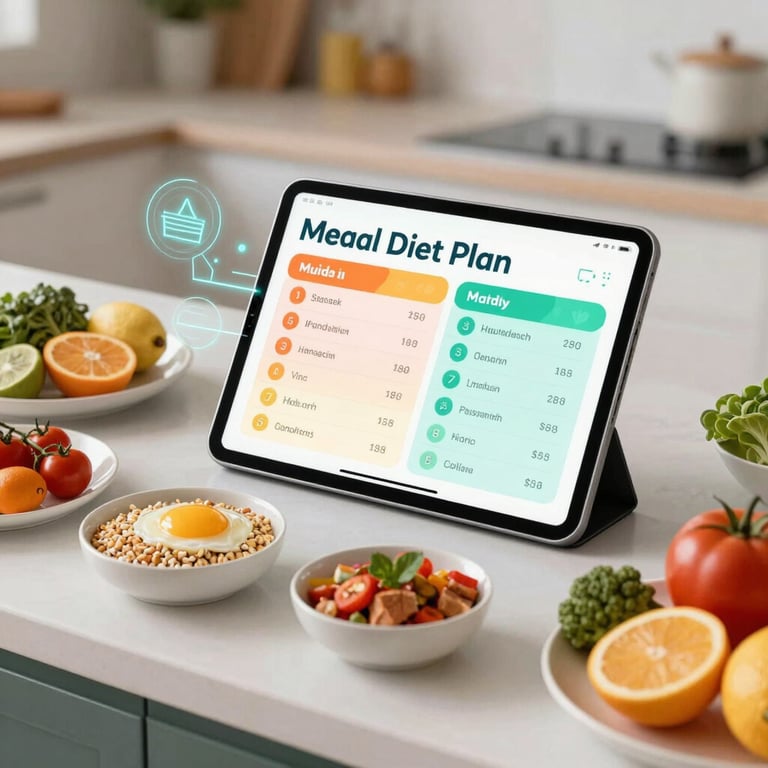
The next step involves generating a personalized meal plan. The AI diet plan will present users with a detailed and organized catalog of meals, typically comprising breakfast, lunch, dinner, and snacks. Each meal is carefully composed to ensure nutritional adequacy and balance, tailored to the user’s preferences and requirements. Some platforms also incorporate user-friendly interfaces that allow for easy navigation through meal choices, along with features for planning grocery lists and tracking daily intake.
Moreover, many AI diet plan applications offer additional functionalities, such as recipe suggestions and logging options to track users' progress. By continuously learning from user interactions and feedback, the system can refine its recommendations over time, making it an evolving tool for personalized nutrition. This integration of technology not only enhances user experience but also empowers individuals to take control of their dietary habits effectively.
Benefits of AI Diet Plans:
With the rise of artificial intelligence in various sectors, the field of personalized nutrition has similarly benefited from its integration. Utilizing AI diet plans provides several advantages that can significantly enhance an individual's nutritional journey. One of the primary benefits is enhanced personalization. AI systems can analyze an individual's dietary preferences, restrictions, and health conditions, enabling them to generate customized meal plans tailored specifically to their needs. This level of personalization is often unattainable with traditional dieting methods, where generic plans may not account for unique requirements.
In addition to personalization, AI diet plans offer a convenience that is particularly advantageous for busy individuals. The automatic meal suggestions save significant time compared to manually curating dietary plans. Users can quickly access a variety of meal ideas, complete with nutritional information and preparation times, streamlining the often tedious process of meal planning. This convenience can lead to better adherence to a prescribed diet, as individuals are less likely to reach for unhealthy options when they have easy access to wholesome alternatives.
Moreover, empirical evidence suggests that AI diet plans can yield better outcomes in terms of weight loss(click here) and nutrition compliance compared to traditional dietary approaches. Studies have shown that individuals using AI-driven applications tend to achieve and maintain their dietary goals more effectively. This can be attributed to the interactive nature of AI systems, which enable continuous monitoring and adjustment based on real-time data. The ability to track food intake and receive instant feedback is crucial for fostering healthy habits and achieving long-term dietary success.
Comparison: AI Diet Plans vs Traditional Diet Plans
The landscape of dietary planning has evolved significantly with the advent of technology, particularly in the realm of artificial intelligence. This comparison highlights the differences between AI diet plans and traditional diet plans across various important metrics.
Aspect AI Diet Plan Traditional Diet Plan Personalization Utilizes algorithms to create highly personalized meal plans based on individual data such as age, weight, lifestyle, and dietary preferences. Generally follows a one-size-fits-all approach with less focus on individual needs, usually based on generalized dietary guidelines. Adaptability: Continuously adjusts recommendations based on user feedback and progress, allowing for real-time modifications to meet evolving dietary goals. Changes may require a complete overhaul or revision of the plan, often lacking the flexibility to adapt to the user’s changing circumstances. Accessibility available through various apps that can be accessed on smartphones, providing easy tracking of food intake and nutrient values at any time. Often requires scheduled appointments with nutritionists and dietitians, which may not be as readily accessible for everyone. Effectiveness Evidence suggests that AI diet plans can lead to more effective weight management and improved dietary adherence through personalized strategies. Effectiveness greatly varies based on the individual’s adherence to the plan and often relies on motivation without advanced tracking features.
In undertaking a dietary journey, it is crucial to consider the unique benefits that AI diet plans offer in contrast to traditional methods. The ability to personalize, adapt, remain accessible, and effectively assist individuals in achieving their nutrition goals distinguishes AI-driven diet plans as a contemporary choice worthy of consideration.
Best AI Diet Plan Tools (2026)
As the demand for personalized nutrition continues to grow, several AI diet plan tools have emerged in 2026, offering innovative solutions for users seeking to enhance their dietary habits. Below are some of the most recommended tools available this year, each with unique features that cater to various dietary needs.
1. Nutrify Tech
Nutrify Tech is a leading AI-powered nutrition platform that leverages machine learning algorithms to generate customized diet plans. The tool assesses individual user preferences, dietary restrictions, and health goals to create personalized meal recommendations. One of its standout features is the integration with a food diary, allowing users to log their meals and receive real-time feedback on their nutritional intake. Its intuitive interface and extensive food database make it user-friendly, catering especially to those new to dietary tracking.
2. MealMaster AI
MealMaster AI stands out for its ability to generate meal plans based on users’ specific macronutrient requirements. This tool utilizes sophisticated artificial intelligence to adapt the dietary recommendations dynamically, ensuring that they align with the user’s evolving health status and fitness goals. Additionally, MealMaster AI offers a unique grocery list feature that makes shopping for recommended ingredients effortlessly convenient. Its visual meal planner enhances user engagement, making the process of adhering to a diet enjoyable.
3. Diet Buddy
Diet Buddy incorporates social features that differentiate it from other AI diet tools. This platform allows users to connect with friends or a community for support and motivation while following their personalized meal plans. Using AI technology, Diet Buddy analyzes eating patterns and offers tailored suggestions to improve nutritional choices. It is particularly appealing for those seeking a collaborative experience, which can enhance commitment to their dietary goals.
In 2026, these AI diet plan tools exemplify how technology can simplify and personalize nutrition management, making it easier for individuals to achieve their health objectives.
Sample AI-Generated Diet Plan
In the rapidly evolving field of nutrition, AI-generated diet plans are proving to be beneficial for individuals seeking personalized meal strategies. A sample one-day AI-generated diet plan may provide an insightful glimpse into how technology can assist in achieving a balanced and nutritious diet. This plan is tailored for a typical adult, aiming for optimal health and well-being.
Breakfast: Start the day with a wholesome breakfast by enjoying an oatmeal bowl topped with fresh berries and a tablespoon of honey. Accompany this meal with a side of Greek yogurt for added protein, enhancing satiety and nutritional value. A cup of green tea serves as a refreshing, hydrating option, rich in antioxidants.
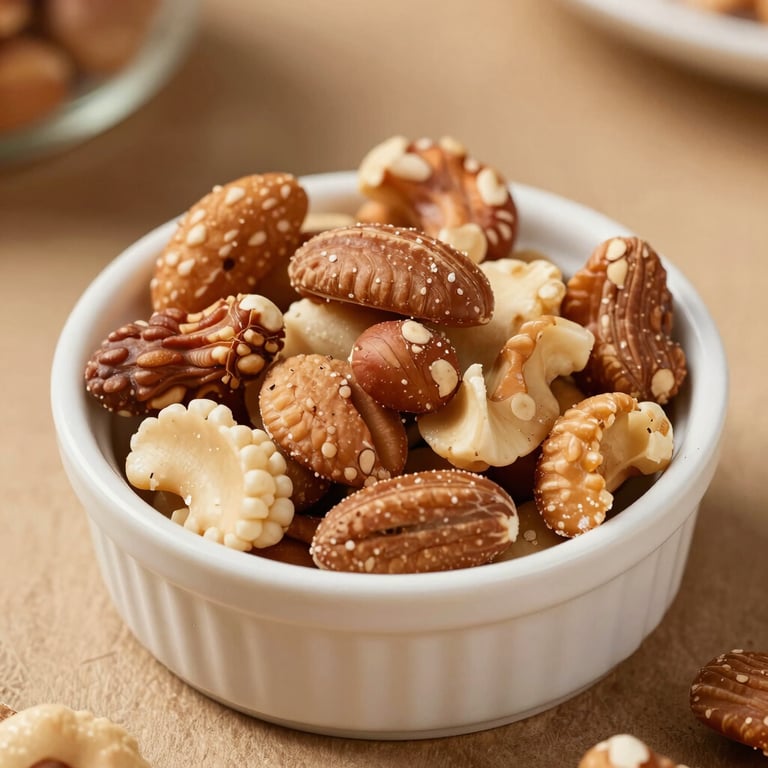
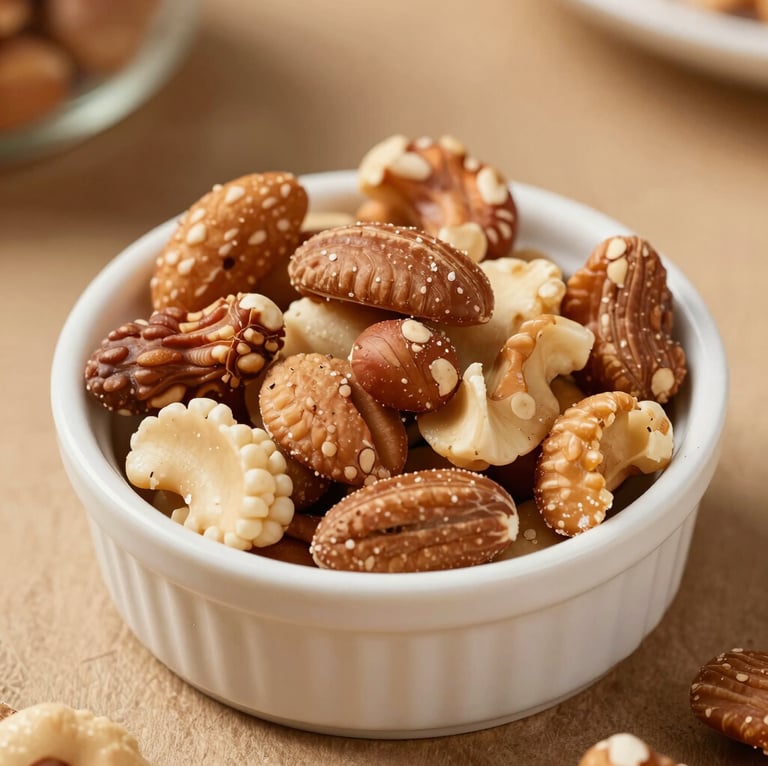
Morning Snack: For a mid-morning pick-me-up, a small handful of Mixed Nuts can suffice. This snack provides healthy fats, protein, and essential micronutrients, making it an excellent choice to maintain energy levels without sacrificing nutrition.
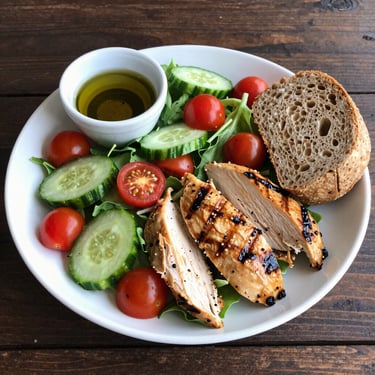
Lunch: A balanced lunch might include a grilled chicken salad composed of mixed greens, cherry tomatoes, cucumber, and a dressing made from olive oil (click here) and balsamic vinegar. This combination not only offers a variety of vitamins and minerals but also incorporates lean protein, supporting muscle health. Add a small whole-grain roll to boost fiber intake.
Afternoon Snack: A simple smoothie made from spinach, banana, and almond milk can act as a revitalizing afternoon snack. This option is hydrating and nutrient-dense, ensuring that energy dips are effectively managed.
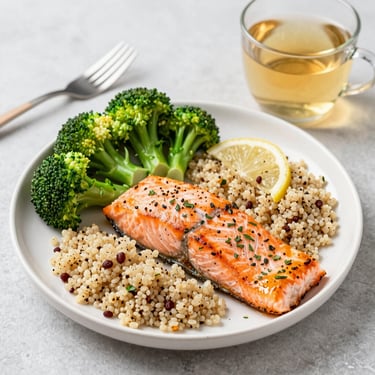
Dinner: Conclude the day with a well-rounded dinner featuring baked salmon seasoned with herbs, a serving of quinoa, and steamed broccoli. This meal combines lean protein with beneficial omega-3 fatty acids and complex carbohydrates, contributing to overall health. A glass of water or herbal tea complements the meal, ensuring adequate hydration.
This comprehensive diet plan illustrates the adaptability and effectiveness of artificial intelligence in curating personalized nutrition strategies. By focusing on diverse food options and nutritional adequacy, individuals can experience enhanced health outcomes and streamline their dietary habits.
Who Should Use AI Diet Plans?
AI diet plans cater to a diverse range of individuals, each with unique nutritional needs and fitness goals. These personalized nutrition solutions can be particularly beneficial for those aiming for weight loss. Individuals who struggle with traditional diet regimens may find that an AI-driven approach helps them achieve their targets more efficiently. By analyzing personal preferences, habits, and health data, AI can recommend specific dietary adjustments that promote gradual and sustainable weight loss.
Another key demographic that can greatly benefit from AI diet plans includes those looking to gain muscle. Athletes and fitness enthusiasts engaged in regular training require a precise intake of macronutrients to support muscle repair and growth. AI can assess an individual’s activity level, metabolic rate, and specific muscle-building goals to suggest tailored meal plans with the right balance of proteins, carbohydrates, and fats.
Moreover, busy professionals grappling with demanding schedules often struggle to maintain healthy eating habits. AI diet plans present a practical solution for this demographic, offering automated meal suggestions and grocery lists that save time and promote nutritional integrity. By considering a professional's lifestyle and preferences, AI can create efficient meal plans that are not only nutritionally balanced but also easy to prepare, helping individuals maintain their health without sacrificing precious time.
In summary, whether one is aiming to lose weight, gain muscle, or navigate a hectic lifestyle, AI diet plans can provide personalized nutritional guidance essential for achieving one's health goals. By leveraging technology, these plans offer tailored solutions that enhance diet adherence and overall wellness.
Potential Downsides:
While the application of artificial intelligence (AI) in creating personalized diet plans poses numerous advantages, it is crucial to address the potential downsides that may arise from reliance on this technology. One of the primary concerns is the risk of over-reliance on AI for nutrition guidance. As individuals become accustomed to receiving their dietary recommendations from an algorithm, there is a danger that they may disconnect from their own intuitive understanding of food and nutrition. This dependency can lead to a diminished capacity to make informed decisions based on personal experiences or traditional dietary knowledge.
Moreover, the ethical implications surrounding data privacy cannot be overlooked. The process of customizing nutrition plans through AI typically requires the input of sensitive personal health data. This data may encompass an individual’s weight, dietary preferences, medical history, and more. As with any technological advancement, there exists a risk that this information could be mismanaged or exploited. Individuals must be wary of how their private health data is used, shared, or potentially sold to third parties.
Furthermore, there are concerns about the accuracy of the information that AI systems utilize. While AI has the capability to process vast amounts of data and generate recommendations, it remains susceptible to errors and biases present in the data sets from which it learns. If these biases go unchecked, they could lead to misleading or harmful dietary advice. Ensuring that AI technologies prioritize evidence-based research and maintain high ethical standards is crucial in mitigating these potential pitfalls.
In conclusion, while AI-driven diet plans offer promising personalized nutrition possibilities, it is essential to approach this technology with a critical mindset, considering the challenges of over-reliance and data privacy issues. By maintaining a balanced view, users can leverage AI benefits while safeguarding their health and maintaining their autonomy in dietary choices.
FAQs:
1. Are AI diet plans safe?
Answer: Yes! AI diet plans are generally considered safe, particularly when developed by reputable platforms that prioritize user health. These applications typically use extensive databases and algorithms to tailor nutrition suggestions based on individual health data. However, users are advised to consult nutrition professionals before significantly altering their diets, especially those with pre-existing health conditions. Additionally, users should ensure the app complies with health regulations and standards to safeguard their well-being.
2. How accurate are AI diet plan apps?
Answer: Moreover Yes! the accuracy of AI diet plan applications is largely dependent on the quality of the data used and the algorithms that analyze this data. High-quality apps often source information from peer-reviewed studies and validated nutritional guidelines. As users enter their health metrics, preferences, and goals, the AI refines its recommendations. Nevertheless, the accuracy can vary, and users should treat the suggestions as guidelines rather than absolute directives, using them in conjunction with their judgment and professional advice.
3. How does AI facilitate weight loss?
Answer: AI bolsters weight loss efforts by offering personalized diet plans based on individual metabolism, activity levels, and dietary preferences. These platforms can adapt recommendations as users progress, ensuring that the diet aligns with their evolving needs. Furthermore, many AI-driven applications feature meal tracking options, recipes, and reminders that help users stay committed to their goals. By analyzing user behavior and outcomes, AI can provide insights that encourage healthier habits, ultimately supporting sustainable weight loss.
Overall:
As we navigate the evolving landscape of nutrition and wellness, AI diet plans emerge as a compelling option for those seeking personalized nutrition solutions. These innovative systems harness advanced algorithms to analyze individual dietary needs, preferences, and health goals, resulting in tailored meal plans that can significantly enhance dietary adherence and health outcomes.
Utilizing AI technology in diet planning offers several key benefits. Primarily, these plans provide a level of customization that traditional diets often lack, accommodating a wide array of dietary restrictions and various personal health conditions. Furthermore, AI can continually learn from user feedback and dietary habits, refining recommendations and adapting to changes over time, thus promoting sustainable eating practices.
However, it is essential to approach AI diet plans with a balanced perspective. While they offer significant advantages, some considerations must be addressed, including the reliability of the underlying data and the importance of balancing AI-generated advice with human judgment. It is vital for users to engage in discussions with healthcare or nutrition professionals to ensure their needs are adequately met.
In light of the benefits and considerations discussed, we encourage readers to explore the possibilities that AI diet plans present. With their potential to revolutionize the way we approach nutrition, these plans can serve as valuable tools for improving both physical and mental well-being. Take the first step towards a healthier lifestyle by considering an AI diet plan tailored specifically for your needs, and witness the transformative impact it can have on your nutrition journey.Answer: