
Raw Milk Nutrition Facts: Everything You Need to Know
Discover raw milk nutrition facts, including calories, protein, vitamins, minerals, health benefits, and potential risks.
NUTRITION FACTS
Uzair Rajpoot
6/12/20267 min read


What is raw milk? Nutrition and facts:
Introduction:
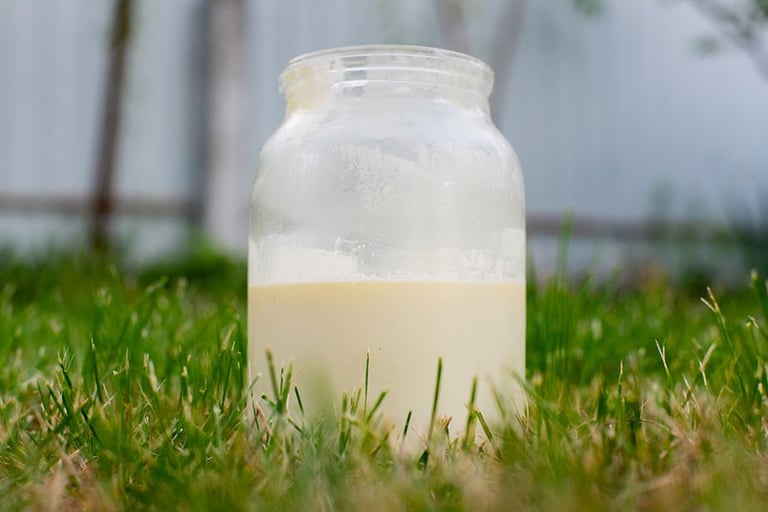
Raw milk nutrition facts are defined as milk that has not undergone pasteurization, a heat treatment process designed to eliminate bacteria and pathogens. It can be sourced from various animals, including cows, goats, and sheep. The key characteristic of raw milk is that it retains its natural composition, which includes crucial nutrients, enzymes, and beneficial bacteria that can be altered or destroyed during pasteurization.
Obtaining raw milk involves milking the animal directly and bottling it without any further processing. This direct collection method is a critical differentiator compared to pasteurized milk, which undergoes a series of steps to ensure safety and extend shelf life. The pasteurization process typically involves heating the milk to a specific temperature for a set period, effectively killing bacteria but also changing the structure of some of the milk's proteins and reducing its overall nutrient content.
The differences between raw milk and pasteurized milk are significant. Many proponents of raw milk argue that it contains a higher level of vitamins, such as B vitamins and vitamin C, along with a richer profile of enzymes that can aid in digestion. Additionally, raw milk is often touted for its potential health benefits, which include a stronger immune response and better lactose tolerance due to its natural probiotics.
Raw Milk Nutrition Facts:
Raw milk nutrition facts. Raw milk is often praised for its rich nutritional content. It has a variety of vitamins, minerals, proteins, and fats that are good for health. The nutritional composition of raw milk is presented below in detail per 100 ml and per cup (about 240 ml) serving.
Nutritional Component Per 100ml Per Cup (240ml) Calories 61 146 Protein 3.2g 7.7g Carbohydrates 4.8g, 11.5g Fats 3.3 g, 7.9 g Calcium 120 mg, 288 mg Vitamin D: 0.2 µg 0.48 µg Vitamin B12: 0.4 µg, 0.96 µg Phosphorus: 95 mg 228 mg
The table below highlights the amazing nutritional benefits of raw milk, especially its protein and essential vitamins. It is also worth noting its caloric value, which makes it a good addition to a nutrient-dense diet. The composition may vary slightly with the source of the milk and the animal, but these numbers are a good representation of what raw milk has to offer.
Key Vitamins and Minerals:
Raw milk is a rich source of vital vitamins and minerals that are essential to human health. Raw milk is a good source of many important nutrients, including vitamins A, D, and B12 and important minerals such as calcium, phosphorus, and potassium. Each of these nutrients is important for many functions of the body and overall wellness.
Vitamin A, which is known for its role in keeping vision, skin, and immune function healthy, is a good source in raw milk. It is an antioxidant and an important part of the growth and maintenance of different tissues in the body. Similarly, vitamin D is needed to absorb calcium, which in turn helps to build strong bones and reduces the risk of osteoporosis. This vitamin can also help regulate immune responses and has been associated with a better mood and lower risk of chronic diseases.
Vitamin B12 is another important nutrient found in dairy milk that is necessary for the formation of red blood cells and proper neurological function. Also necessary for DNA synthesis and assists in energy production. Vitamin B12 is essential in the diet, and its deficiency causes neurological disorders and anemia.
Raw milk also contains other key minerals like calcium, which is imperative for strong bones and teeth, in addition to vitamins. It is essential for muscle function and cardiovascular health. Phosphorus combines with calcium to form bones and teeth and also helps the body to generate energy. Finally, potassium is crucial for maintaining fluid balance, regulating blood pressure, and ensuring proper function of muscles and nerves.
Health Benefits of Raw Milk:
Raw milk is widely praised for its rich nutritional composition and health benefits, which makes it a topic of interest to both consumers and health professionals. One of the biggest benefits of raw milk is that it is nutrient-dense. It’s packed with essential vitamins and minerals, like calcium, phosphorus, magnesium, and a variety of B vitamins that are vital for good health.
Importantly: Raw milk nutrition facts are a source of natural probiotics. These good bacteria are vital for gut health, aiding in the digestion of food and promoting a healthy balance of microbes in the gut. Studies have shown that drinking raw milk can help the body to better digest lactose, especially in those who are lactose intolerant. Research in the journal Food Microbiology indicates that the probiotics found in raw milk may help to improve intestinal health and alleviate gastrointestinal problems.
And raw milk is said to build a stronger immune system. Some proponents say raw milk contains living, functioning enzymes and good bacteria that might help boost the body's immune system and possibly reduce the risk of autoimmune diseases or allergies. Scientists at the University of Michigan have found that children who drink raw milk are less likely to develop allergies, perhaps because raw milk exposes children to a wide variety of bacteria. And raw milk has more of certain good fats, such as omega-3 fatty acids and conjugated linoleic acid (CLA). These fats are known to be heart-healthy and may aid in weight control. Raw milk contains all of its natural components and is often better than pasteurized milk in quality, so good health can be achieved better with raw milk.
Potential Risks and Safety Concerns:
Consuming raw milk raises significant health concerns, primarily due to the risk of bacterial contamination. Unlike pasteurized milk, which undergoes a heating process to kill harmful bacteria, raw milk can harbor a range of pathogens such as Salmonella, E. coli, and Listeria. These bacteria can cause serious foodborne illnesses, presenting symptoms that range from mild gastrointestinal distress to severe complications and even fatalities.
Statistics indicate that the consumption of raw milk has been linked to outbreaks of foodborne illness, with the Centers for Disease Control and Prevention (CDC) reporting that unpasteurized milk is 150 times more likely to lead to hospitalization than pasteurized milk. Click here for the CDC report. Specifically, between 1993 and 2012, there were over 40 outbreaks associated with raw milk in the United States, resulting in more than 700 illnesses. Numerous public health agencies emphasize the importance of adhering to safe practices when considering the consumption of raw milk.
Moreover, infants, children, pregnant women, the elderly, and individuals with compromised immune systems are particularly at risk from the consumption of Raw milk, nutrition facts. These populations are advised against consuming unpasteurized milk due to their heightened susceptibility to severe infections. Ensuring the safety of dairy consumption is crucial for these vulnerable groups.
It is imperative for consumers who choose to drink raw milk to practice caution. Adopting safe handling and storage practices can minimize risks. This includes sourcing raw milk from reliable, reputable farms that implement stringent hygiene measures and monitor animal health closely. Additionally, maintaining proper refrigeration and utilizing raw milk quickly after purchase can help mitigate some food safety concerns.
Raw Milk vs. Pasteurized Milk:
When comparing raw milk and pasteurized milk, it is important to evaluate various factors, including nutritional value, taste, preservatives, and potential health implications. Below is a comparative analysis that highlights the distinctions between these two types of milk.
Aspect Raw Milk Pasteurized Milk Nutritional Value Raw milk retains its natural enzyme content, beneficial bacteria, and high levels of vitamins and minerals. It is often praised for higher concentrations of omega-3 fatty acids and fat-soluble vitamins. While pasteurized milk still contains essential nutrients, some vitamins, particularly B vitamins, may be reduced during the heating process. However, many fortified products aim to restore these nutrients.
Taste: Many consumers find that raw milk has a richer, creamier taste compared to pasteurized milk, often citing a preference for its natural flavor profile. Pasteurized milk has a more uniform taste due to standardization processes, making it less variable than raw milk. Preservatives Raw milk is free from preservatives since it is unprocessed and does not undergo heat treatment. Pasteurized milk may have added preservatives or stabilizers to extend its shelf life, although many brands focus on natural preservation methods. Health Implications Raw milk advocates claim numerous health benefits, such as improved digestion and enhanced immune function. However, it carries a higher risk of pathogenic bacteria, which can lead to foodborne illnesses. Pasteurized milk significantly reduces the risk of harmful bacteria, making it safer for consumption, particularly for vulnerable populations such as children, the elderly, and pregnant women.
Who Should Avoid Raw Milk?
“People with compromised immune systems – either from medical conditions or treatments like chemotherapy – should be especially careful as well,” she added. These individuals are more prone to infections, and the uncontrolled presence of pathogens in raw milk constitutes a serious health risk. If you are concerned about the risks of raw milk, seek other sources, such as pasteurized milk or fortified dairy substitutes, to provide key nutrients.
Frequently Asked Questions (FAQs):
Q1: Is raw milk safe to drink?
Ans: Many enthusiasts claim that raw milk contains beneficial bacteria and enzymes that might be killed during pasteurization. However, it is essential to acknowledge that raw milk can also harbor harmful pathogens. Proper sourcing from reputable farms and ensuring high-quality handling can mitigate risks, but safety cannot be guaranteed.
Q2: What are the nutritional benefits of raw milk compared to pasteurized milk?
Ans: Advocates of raw milk often argue that it retains more vitamins and essential fatty acids due to the lack of heat treatment. Some studies suggest that specific nutrients may be reduced during pasteurization. Nevertheless, both raw and pasteurized milk are excellent sources of protein, calcium, and vitamins D and B12, making them nutritious choices in a balanced diet.
Q3: Does raw milk help with allergies?
Ans: Some individuals assert that consuming raw milk can alleviate allergies and improve overall immunity. This theory is based on the notion that exposure to natural bacteria in raw milk may promote a healthier gut microbiome. However, scientific evidence supporting this claim remains limited, and those with lactose intolerance or dairy allergies should proceed with caution.
Q4: What are the regulations surrounding raw milk?
Ans: The sale and distribution of raw milk vary significantly by region. In some states, it is legal to sell raw milk directly to consumers, while in others, it is strictly prohibited. Consumers should familiarize themselves with local laws and regulations before purchasing or consuming raw milk.
Disclaimer:
When talking about raw milk nutrition facts, it is important to summarize the vital points about its benefits, nutrients, and risks. Raw milk is unpasteurized milk that contains a variety of beneficial components, including proteins, vitamins, and beneficial bacteria. These nutrients can contribute to digestive health, immune function, and overall wellness for some people. Many advocates also claim that there are benefits to consuming raw dairy over pasteurized dairy, including retained enzymes and nutrients.
LINKS:
Check Links.
NutriLogic Lab Ltd © 2026
NutriLogic Lab empowers the generation of tomorrow for a brighter future and hope for every individual.
Terms of Use:
We care about your data in our privacy policy.