Advantage of Almond Milk: Popular Dairy Alternative
Discover the advantage of almond milk, from heart health support and weight management to dairy-free nutrition, vitamin E, and plant-based benefits.
HEALTH TOPICSFOOD


Advantage of Almond Milk
Introduction:
In recent years, there has been a significant shift towards plant-based diets, driven by a growing awareness of health, environmental concerns, and ethical issues associated with animal agriculture. Dairy alternatives, including Advantage almond milk, have emerged as popular choices among those seeking to reduce their animal-product consumption or accommodate lactose intolerance. The rise of almond milk as a key player in this trend can be attributed to its numerous health benefits and flavorful versatility, making it an appealing option for a wide audience. But Animal Milk has way more nutrients than Almond milk
Almond milk is derived from almonds, which are known for their rich nutritional profile. This non-dairy alternative is low in calories and free from saturated fats, making it an excellent choice for individuals looking to maintain a healthy lifestyle. Additionally, almond milk typically contains no cholesterol, offering a heart-healthy option compared to traditional cow's milk. It is enriched with vitamins and minerals, including vitamin E, calcium, and vitamin D, which support overall health and well-being.
The rise in popularity of almond milk can also be attributed to its flexibility in culinary applications. Whether used in smoothies, coffee, cereals, or baking, almond milk seamlessly adapts to various recipes and diets. As more individuals experiment with their dietary choices and explore alternatives to conventional dairy products, almond milk provides a delicious and nutritious solution. Furthermore, with the increasing availability of almond milk in grocery stores and cafes, it has become more accessible, further solidifying its place in the market. Learn about health and nutrition tips.
What is almond milk?.
Almond milk is a plant-based drink made by combining almonds and water. Its creamy texture and nutty flavor make it a popular dairy alternative and a great choice for those who are lactose intolerant, vegan, or just looking to cut back on dairy. Almond milk is made from almonds and water, but many commercial brands contain additives such as sweeteners, emulsifiers, and flavorings to improve flavor and texture.
Almond milk is usually made by soaking whole almonds in water until they are soft and blending them with fresh water. Then the mixture is strained through cheesecloth or a fine mesh to separate the almond pulp from the liquid. You end up with a light, non-dairy milk alternative that still has some of the nutritional benefits of the almond, such as healthy fats and vitamins.
Almond milk is available in various types to suit different palates. Unsweetened almond milk is a lower-calorie alternative that still has the original taste of almonds, and sweetened versions are available for those who want a sweeter flavor profile. There are also specialty flavored almond milks, such as vanilla and chocolate, that are popular with kids and those looking for a more flavorful experience.
Almond milk is a versatile ingredient of modern diets, which can be utilized in a wide range of culinary applications. You can drink it, put it in a smoothie, bake with it, or pour it on your cereal. It also makes a base for creamy soups, salad dressings, and even coffee alternatives, so it’s a valuable addition to many meals.
Production Process:
Making almond milk involves a number of important steps, starting with soaking the almonds and ending with blending and straining. First, the fresh raw almonds are soaked in water for a period of time, usually 8 to 12 hours. Soaking softens the almonds so they are easier to blend and releases their flavor and nutrients.
The almonds are then soaked, thoroughly drained, and rinsed. They are then placed in a blender, combined with fresh water, and blended at high speed until the mixture is creamy and smooth. The ratio of almonds to water is a matter of taste for the creaminess of the final product, but one cup of almonds to four cups of water is a good starting point.
After blending, the almond milk mixture needs to be strained to separate the almond pulp. This is most often done with a cheesecloth or a fine mesh strainer. The leftover liquid is almond milk, and the almond pulp can be used in a variety of recipes, from smoothies to baked goods to a component of energy bars.
There is a significant difference between homemade almond milk and commercially produced versions. Commercial almond milk contains extra ingredients like stabilizers, emulsifiers, and sweeteners to improve taste, consistency, and shelf life. Homemade almond milk generally involves just blending almonds and water. Common additives include carrageenan, a controversial additive that can improve viscosity but has been linked to gastrointestinal effects, and calcium carbonate, often added for calcium fortification.
Almond milk is low in calories and high in protein.
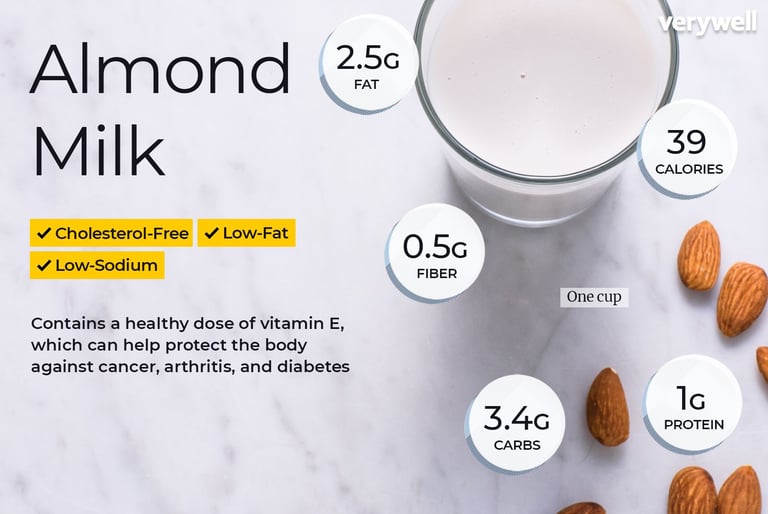
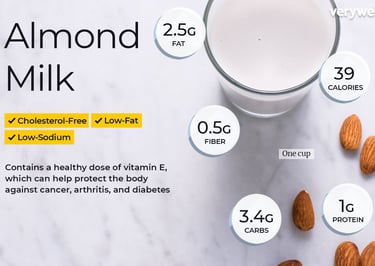
Almond milk has been popularized as a versatile dairy alternative that appeals to those who are looking for a nutritious but low-calorie option. For example, unsweetened almond milk contains approximately 30 to 50 calories per cup, which is significantly lower than cow’s milk, which normally has about 146 calories per cup for whole milk. That’s a big difference and makes almond milk a good choice for people who are watching their calorie intake.
In terms of macronutrient composition, almond milk is far lower in protein than cow's milk. Typically, a cup of almond milk has about 1 gram of protein, while a cup of cow’s milk has 8 grams. The appeal of almond milk is not diminished by this lower protein content, as it is often fortified with various nutrients to make it an adequate choice for many.
Almond milk is mostly unsaturated fat. A cup usually has about 2.5 grams of fat, compared to whole cow's milk, which has about 8 grams of fat. The fats in almond milk are also heart-healthy, which can help to improve cholesterol levels.
Almond milk also has less carbohydrate content, typically 1-2 grams per cup, which makes it a better choice for those on lower-carb diets. Also, unsweetened varieties have very little sugar, especially compared to the natural lactose found in Raw milk.
Almond milk is rich in vitamins and minerals that are vital to any nutritional profile. Many brands are fortified with calcium, vitamin D, and vitamin E. For example, a cup can provide up to 50% of the daily recommended amount of calcium, making it a good substitute for dairy. On the other hand, cow’s milk contains similar amounts of calcium but differs in vitamin E, which is present in greater levels in almond milk.
Top 10 Advantages of Almond Milk:
1. Low in Calories: One of almond milk's most significant advantages is its low-calorie content. Typically, unsweetened almond milk contains only about 30-50 calories per cup, making it an attractive option for those seeking to reduce calorie intake without sacrificing taste.
2. Lactose-Free: For individuals with lactose intolerance, almond milk presents a perfect dairy substitute. It allows those who are otherwise unable to consume dairy products to enjoy creamy textures and flavors in their meals and beverages.
3. Dairy-Free: In addition to being lactose-free, almond milk is entirely dairy-free. This makes it suitable for vegans or those allergic to dairy, providing an option that aligns with various dietary needs.
4. Rich in Vitamin E: Almond milk is a significant source of vitamin E, an antioxidant that helps combat oxidative stress in the body. This nutrient supports skin health, plays a role in immune function, and helps maintain healthy cells.
5. Supports Heart Health: Almond milk contains healthy fats and is low in saturated fat, which can contribute to cardiovascular health. Its nutrients may aid in maintaining good cholesterol levels and reducing the risk of heart disease.
6. Weight Management: The low-calorie and nutrient-rich profile of almond milk makes it a useful ally for weight management. Incorporating almond milk into the diet can help individuals feel fuller for longer, potentially reducing overall calorie consumption.
7. Dietary Flexibility: Almond milk seamlessly fits into a variety of diets, including gluten-free, vegan, and plant-based. Its adaptability encourages greater culinary creativity, appealing to a diverse group of individuals.
8. Versatile in Cooking: Almond milk can be utilized in numerous recipes, ranging from smoothies and cereals to soups and sauces. Its subtle nuttiness enhances dishes while still allowing other flavors to shine.
9. Environmentally Friendly: Compared to dairy milk, almond milk has a lower environmental impact. Its production requires less water and produces lower greenhouse gases, making it a sustainable choice for environmentally conscious consumers.
10. Bone Health: Many commercial almond milk products are fortified with calcium and vitamin D, essential for bone health. Regularly consuming these nutrients can help maintain bone density and prevent osteoporosis.
Almond Milk vs. Dairy Milk:
When comparing the advantages of almond milk and dairy milk, it is essential to consider the nutritional profiles, benefits, and potential drawbacks of each. Almond milk is synthesized from ground almonds and water, while dairy milk is derived from cows. Below is a nutrition comparison table that highlights key differences.
Nutrient Almond Milk (1 cup) Dairy Milk (1 cup, whole) Calories: 30-50, 150 Protein: 1g, 8g Fat 2.5g, 8g Carbohydrates 1g 12g Sugar 0g 12g Calcium 450mg (fortified) 276mg
One significant advantage of almond milk is its lower calorie content, making it suitable for individuals pursuing weight management. It is also naturally lactose-free, rendering it an excellent choice for those with lactose intolerance or dairy allergies. The high calcium levels in fortified almond milk offer a beneficial alternative to dairy milk, particularly for individuals who abstain from animal products.
On the other hand, dairy milk provides a more substantial protein content and an array of essential nutrients, such as vitamin B12 and riboflavin, that may not be present in almond milk. For individuals seeking high protein intake or those who thrive on a diet rich in amino acids, dairy milk may be the preferred option.
Who Should Drink Almond Milk?
Almond milk is gaining popularity among consumers looking for dairy alternatives because of its numerous health benefits and appealing nutritional profile. One of the major groups who may benefit from almond milk is vegans. Being a plant-based product, almond milk is suitable for people who don’t use animal products. It also blends well with a vegan diet that is focused on health-conscious choices due to its low caloric content compared to traditional dairy milk.
Also, if you are calorie-conscious and are trying to cut down on calories, almond milk may be a good choice. Almond milk is a guilt-free substitute for whole cow's milk and is lower in calories and fat. It is a delicious choice for smoothies, cereals, or drinking by itself.
But it’s important to recognize that almond milk isn’t for everyone. If you have a nut allergy, you should be careful. Almond milk is made from almonds and can cause allergic reactions. Almond milk has less protein than cow's milk or soy milk, so those concerned about protein intake should also take their overall diet into account. "These groups should carefully evaluate their nutritional needs before incorporating almond milk into their regular diet.
Best Ways to Drink Almond Milk:
Almond milk is a versatile dairy alternative that has become quite popular. It makes a great addition to many recipes and meals. Its mild flavor and creamy consistency lend themselves to many uses, providing a plant-based alternative for those who want to eat healthily without sacrificing taste or texture.
A very popular use of almond milk is in smoothies. Almond milk can be mixed with fruits and vegetables or even nuts to make a smooth and healthy drink that is ideal for breakfast or a refreshing snack. Almond milk is a nutty-flavored milk that goes well with many ingredients and adds taste and nutrition.
Almond milk is also a great option for coffee lovers, as well as smoothies. You can use it as a creamer for a cappuccino or in a latte. Almond milk can add a nice creaminess without the added calories of traditional dairy products. For those who like their coffee drinks with a foam overlay, it can also be frothed.
It provides a nutritious milk substitute to pour over breakfast cereals or oatmeal. It has a mild flavor that works well with grains, providing good texture and allowing the natural sweetness of fruit or honey to come through. It’s a great choice for a balanced and wholesome breakfast.
Almond milk can also be used for baking. Many recipes that require milk can easily be modified by using almond milk. This substitution is great for cakes, muffins, and pancakes, adding moisture and richness to baked goods and also adding to the nutritional profile.
(FAQs):
1. What are the main advantages of almond milk?
Ans: Almond milk is low in calories, naturally lactose-free, dairy-free, and often fortified with essential nutrients such as calcium and vitamin D.
2. Is almond milk healthier than regular milk?
Ans: It depends on your nutritional needs. Almond milk is lower in calories and saturated fat, while dairy milk typically provides more protein and naturally occurring nutrients.
3. Is almond milk good for weight management?
Ans: Yes, unsweetened almond milk is generally low in calories, making it a popular choice for people looking to manage their weight.
4. Can people with lactose intolerance drink almond milk?
Ans: Yes. Almond milk contains no lactose, making it a suitable alternative for people with lactose intolerance.
5. Does almond milk contain protein?
Ans: Almond milk contains some protein, but significantly less than cow's milk. Check the nutrition label, as protein content varies by brand.
Conclusion:
Almond milk has become a popular dairy alternative and gained considerable attention due to its health benefits and nutritional profile. One of the greatest advantages of almond milk is that it contains a lot fewer calories than cow’s milk, so it is a great option for anyone who is watching their calorie intake. Since almond milk is lactose-free, people who are lactose intolerant can drink it without any side effects. It also contains a lot of vitamin E, an important antioxidant that helps maintain the health of the body by protecting cells from oxidative damage.