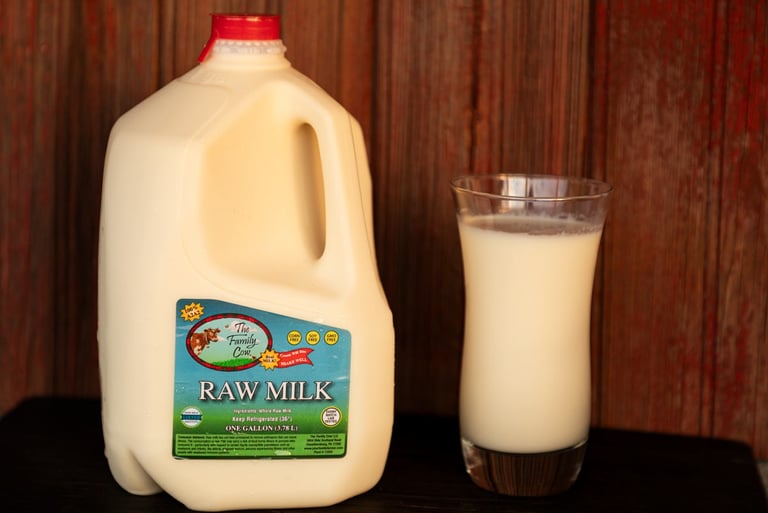
Raw Milk Nutrition Facts: The Truth Behind This Drink
Raw milk nutrition facts explained in detail, including benefits, risks, and nutrients. Discover the truth behind raw milk and its health value.
FOODHEALTH TOPICS
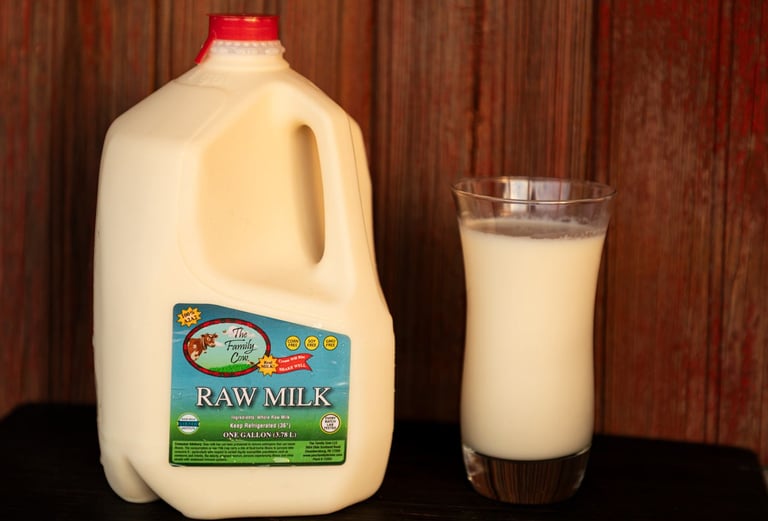
Raw milk nutrition facts
Introduction:
In recent years, the consumption of raw milk has considerably increased among health-conscious consumers and food lovers. Raw milk nutrition facts are often lauded for its potential nutritional benefits as an unprocessed and unpasteurized product. Raw milk contains all the natural enzymes, proteins, and nutrients that some believe are needed for optimal health. Pasteurized milk is heated to kill harmful bacteria and extend shelf life.
Supporters of raw milk say it contains more of the important vitamins and minerals like vitamin B12, calcium, and omega-3 fatty acids that are killed by pasteurization. Proponents also say raw milk could help with digestion and bolster the immune system due to the live enzymes and good bacteria it contains. Which is actually true.
In this blog post, we’ll take a closer look at the nutrition facts of raw milk and how they compare with pasteurized milk. We will look at the key elements that make up the nutritional profile of raw milk, including fat content, protein, and vitamins. We will also discuss the possible health risks of consuming unpasteurized products.
Also, we will look at the continuing debate about the consumption of raw milk, presenting the differing opinions of public health officials and raw milk proponents. We hope to offer scientific evidence and expert opinions to present a comprehensive picture of the subject so that readers can make informed decisions concerning their beverage consumption.
As the demand for natural and organic foods grows, understanding the raw milk nutrition facts and weighing the benefits against the risks is important. In this exploration, we hope to shed light on the complexities of raw milk as a nutritional option and its place in the modern diet.
What is Raw Milk?
Raw milk is defined as milk that is collected directly from animals without undergoing any form of pasteurization, which is i think no need, a process that typically involves heating the milk to kill harmful bacteria and prolong shelf life. This unprocessed state preserves the natural enzymes, vitamins, and beneficial bacteria present in milk. Most commonly, raw milk is harvested from dairy cows, goats, and sheep, which are the primary animals associated with milk production across various regions.
The consumption and sale of raw milk are controversial in the dietary landscape, driven by the debate over its health benefits versus potential risks. Proponents often advocate for raw milk's rich nutrient profile, emphasizing that it contains higher levels of certain vitamins and minerals, as well as beneficial probiotics that can enhance gut health. However, opponents warn of the dangers posed by pathogens that can reside in raw milk, leading to foodborne illnesses.
Legal regulations governing the sale of raw milk vary widely across countries and regions. In some areas, it is readily available in farmers' markets and through farm-to-consumer sales, while in others, it is strictly regulated or entirely prohibited. This discrepancy in legal status reflects the diverse perspectives on public health and consumer rights, making it essential for consumers to understand the laws applicable to their locality. The growing demand for raw milk has prompted discussions regarding safe sourcing practices, highlighting the importance of transparency and responsible farming methods to ensure that consumers have access to what they consider a wholesome, nutrient-rich product. Learn more about nutrition. click here
Raw Milk Nutrition Facts:
Raw milk is generally seen as a natural alternative to pasteurized milk, and its nutritional composition is quite different. The table below summarizes in detail the key components of raw milk. It gives an overview of its caloric value, protein, vitamins, and minerals.
Nutritional Element Amount per 1 cup (240 ml) Calories 150g Protein 8 g Total Fat 8 g Saturated Fat 4.5 g Carbohydrates 12 g Calcium 300 mg (30% RDI) Vitamin A 500 IU (10% RDI) Vitamin D 40 IU (10% RDI) Magnesium 24 mg (6% RDI) Phosphorus 400 mg (40% RDI)
Raw milk vs. pasteurized milk is compared for its nutrients, and it is found that pasteurization changes or reduces some of the vitamins and enzymes. For example, raw and pasteurized milk both contain protein, but raw milk is naturally higher in beneficial enzymes that aid in digestion and nutrient absorption. In some respects, raw milk is nutritionally superior, one of which is that some fat-soluble vitamins, such as A and D, are at better levels in raw milk.
However, the consumption of raw milk is under regulatory scrutiny due to safety concerns, thus highlighting the need to assess its nutritional value along with its potential risks. This kind of knowledge gives individuals the ability to decide whether or not to include raw milk in their diet.
Health Benefits of Raw Milk:
Raw milk is milk that has not been pasteurized and is often touted as a health benefit. Raw milk advocates believe the milk has better nutrients that can provide numerous health benefits. Healthier digestion is a real plus. Proponents say raw milk contains natural enzymes like lactase that help digest lactose, which could make it easier for people with lactose intolerance to consume dairy. Some believe raw milk promotes good bacteria in the gut, leading to a healthier digestive system.
Another great benefit associated with raw milk is its higher nutrient profile. Raw milk is a good source of vitamins and minerals, like B vitamins, calcium, and vitamin D, which are important for health. Some studies suggest that these nutrients may be more bioavailable in raw milk than in its pasteurized counterparts. This means the body might better absorb the nutrients found in raw milk, enhancing nutritional absorption.
Raw milk is also frequently praised for its immune-boosting properties. Supporters say the natural immune-boosting benefits of raw milk can help ward off infections and support overall health. This potential immune support may involve the immunoglobulins and beneficial fatty acids found in raw milk. However, it should be noted that these benefits can vary depending on individual tolerance and health conditions.
While the health benefits of raw milk are compelling, such health claims should be viewed with caution. There is not much scientific support for some of the claimed health benefits of raw milk, and there are differing opinions among researchers and health care professionals. So, people need to weigh the potential benefits against the risks, especially with regard to food safety.
Possible Risks and Safety Concerns:
Raw milk, while praised by some for its purported health benefits, presents various risks primarily due to the presence of harmful pathogens. Unlike pasteurized milk, raw milk is not subjected to the heating process that effectively eliminates potentially dangerous bacteria and viruses. As a result, raw milk can harbor pathogens such as Salmonella, E. coli, and Listeria, which can lead to foodborne illnesses. These microorganisms can pose severe health risks, particularly for vulnerable populations including young children, the elderly, pregnant women, and individuals with weakened immune systems.
The symptoms associated with foodborne illnesses from raw milk consumption can range from gastrointestinal distress to more severe complications requiring hospitalization. Individuals consuming raw milk should be aware of these risks and consider them when choosing to include this beverage in their diet.
Sourcing raw milk from reputable and trustworthy producers is crucial for minimizing these health concerns. It is imperative to ensure that the milk comes from dairy farms that follow stringent hygienic practices and conduct regular tests for pathogens. Transparency regarding the sources and production methods can significantly reduce the risk of contamination and ensure safety for consumers. Local regulations regarding the sale and distribution of raw milk are essential, as these laws are often put in place to protect public health.
Individuals should conduct thorough research and consult with healthcare professionals when considering the inclusion of raw milk in their diet, especially considering the safety concerns associated with its consumption.
Raw Milk vs. Pasteurized Milk Comparison:
The debate over raw milk versus pasteurized milk is often characterized by different opinions on taste, nutritional content, and health effects. Understanding the comparison between these two types of milk can help consumers make informed choices about their dietary preferences.
Raw milk is milk in its unprocessed state. It contains all the nutrients and enzymes that may be in milk straight from the cow. Proponents of raw milk say it tastes better—often richer and creamier than pasteurized milk. They also believe that good bacteria are beneficial for the health of the gut microbiome.
Pasteurized milk, however, is heated in order to kill any harmful pathogens and to increase the shelf life of the milk. This process changes the flavor and texture; many consumers find that pasteurized milk has a more neutral and consistent taste. There is often a discussion about the nutritional value of pasteurized milk versus unpasteurized milk. Some people say that pasteurization removes some vitamins and helpful enzymes. Pasteurized milk is generally considered safe for human consumption and is the standard in most grocery stores.
Health concerns are often raised in the raw milk debate. Raw milk advocates promote the health benefits of raw milk, but scientific opinion generally supports pasteurization to prevent foodborne illness. The Centers for Disease Control and Prevention (CDC) and the Food and Drug Administration (FDA) have issued warnings about consuming raw milk due to the dangers of harmful pathogens.
Who Should or Shouldn’t Drink Raw Milk?
Raw milk is a controversial drink for some, lauded for potential health benefits while also posing risks for consumption. It is important to know the demographics of raw milk consumers who may benefit or be harmed by raw milk. Understanding the differences can help people make better choices about food.
First, raw milk is often not advised for young children to drink, especially children under the age of five. Their developing immune systems may not be prepared to fight off bacterial infections that can be found in unpasteurized dairy products. Pregnant women should also be careful about drinking raw milk. The pathogens in raw milk can be a health risk for the mother and developing fetus and cause serious health consequences.
Those with compromised immune systems, including those living with HIV/AIDS, cancer patients on treatment, or anyone on immunosuppressive medications, should also avoid raw milk. Their immune systems are not as strong as an adult's, and they are more susceptible to foodborne diseases. These could be from bacteria such as Salmonella or E. coli found in raw milk.
Other populations, on the other hand, might benefit from raw milk. Supporters say those without lactose intolerance can benefit from the higher levels of probiotics and enzymes in raw milk. But even these individuals need to be sure that the raw milk they consume is from a good source in order to reduce health risks.
Expert Opinion / Scientific Notes:
The discussion surrounding raw milk has garnered significant attention from nutritionists, health organizations, and researchers, leading to a well-rounded debate on its benefits and potential risks. Advocates of raw milk often highlight its nutrient density, claiming it is rich in essential vitamins, minerals, and enzymes that can be sensitive to heat during pasteurization. Some studies suggest that raw milk can provide a more bioavailable source of nutrients, which is particularly appealing for those advocating for natural food sources.
Nutritionists emphasize that raw milk is a good source of calcium, protein, and beneficial fatty acids, which contribute positively to bone health and overall well-being. Furthermore, raw milk proponents argue that the consumption of unprocessed dairy can support a healthy gut microbiome due to the presence of natural probiotics. These probiotics are believed to enhance digestion and contribute to improved immune function, making raw milk an appealing option for some health-conscious individuals.
Frequently Asked Questions about Raw Milk
1. What is raw milk?
Ans: Raw milk is milk that has not been pasteurized or homogenized. It comes directly from cows, goats, or sheep and retains all of its natural enzymes and beneficial bacteria.
2. Is raw milk safe to consume?
Ans: While proponents of raw milk argue that it has health benefits, consuming raw milk poses certain risks. Pathogens such as E. coli, Salmonella, and Listeria can be present in raw milk, leading to serious health issues, especially for vulnerable populations, including pregnant women, children, and the elderly. It is essential to source raw milk from reputable farms that practice good hygiene and animal care.
3. What are the nutritional benefits of raw milk?
Ans: Advocates claim that raw milk is richer in nutrients compared to pasteurized milk, including higher levels of enzymes, vitamins, and beneficial bacteria. Additionally, some studies suggest that raw milk may aid in digestion and strengthen the immune system. However, scientific consensus on these benefits is still debated.
4. How can I safely prepare raw milk?
Ans: When handling raw milk, ensure all utensils and containers are properly cleaned. It is advisable to refrigerate raw milk immediately to inhibit bacterial growth. For consumption, consider using raw milk in recipes requiring cooking, which may help mitigate potential risks.
5. What laws govern raw milk sales?
Ans: Regulation of raw milk varies significantly by location. In some areas, raw milk sales are completely legal, while in others, it may be restricted or banned. It is crucial for consumers to check local laws regarding the sale and distribution of raw milk to ensure compliance.
6. Can raw milk cause allergies?
Ans: Some individuals believe that drinking raw milk can reduce allergic reactions to dairy due to its natural enzymes and probiotics. However, those with severe dairy allergies should avoid raw milk, as it may still trigger their symptoms.
7. How does raw milk differ from pasteurized milk?
Ans: The primary difference between raw and pasteurized milk lies in the processing method. Pasteurization involves heating milk to destroy harmful bacteria, which can also reduce some of the milk's nutrient content. Raw milk, on the other hand, offers a more natural product but carries a higher risk of contamination.
8. Where can I buy raw milk?
Ans: Raw milk can typically be found at local farms, specialty health food stores, or farmers' markets, where legal. Before purchasing, verify the farm’s compliance with local health regulations and ask about their safety practices for milk production.
Disclaimer:
Looking at the raw milk nutrition facts, we see that this drink is loaded with essential nutrients like vitamins, minerals, and beneficial bacteria. Supporters often mention its potential benefits, like better digestibility and gut health. However, it should be noted that there is a continuing debate about raw milk drinking, especially with regard to safety issues. The health risks that could be caused by the presence of pathogens in unpasteurized milk have led to regulation in several regions.
Relevant Links: