High Protein High Fiber Diet Meal Plan
Discover a 30g high protein, high fiber diet meal plan for weight loss, muscle support, gut health, and all-day energy with healthy meals.


30g high protein, high fiber diet meal plan
Introduction: The Importance of Protein and Fiber:
The role of a high-protein, high-fiber diet meal plan and fiber in a balanced diet cannot be overstated. Both macronutrients contribute significantly to various aspects of health, including weight management, digestive health, and muscle maintenance. Protein, known for its muscle-building properties, plays a crucial role in supporting tissue repair and growth. It is essential for individuals seeking to build or maintain muscle mass, especially during weight loss processes (Learn more about Weight Loss). High-protein meals can enhance satiety and help control hunger, reducing the likelihood of unnecessary snacking and overeating.
Fiber is vital for digestive health and regular bowel movements. It helps maintain gut flora health and reduces the risk of certain gastrointestinal disorders. Moreover, high-fiber foods often require more chewing, which can lead to increased fullness and decreased overall calorie intake. Together, these nutrients form a synergistic relationship that promotes sustained energy levels throughout the day, making them highly beneficial for individuals with active lifestyles.
Protein and fiber, many people are gravitating toward high-protein and high-fiber diets. This trend is particularly noted within fitness communities, among those looking to lose weight, and within groups seeking to improve their overall health. A well-rounded, high-protein, high-fiber diet can be practical and enjoyable to integrate into everyday meals, providing a variety of options to suit diverse tastes. This meal plan illustrates the versatility of these nutrients, showcasing how they can be effectively incorporated into one’s daily routine.
Understanding a High-Protein, High-Fiber Diet:
A high-protein, high-fiber diet plan is characterized by the significant inclusion of both protein and fiber-rich foods in daily meals. Generally, a high-protein intake is defined as consuming 25-35% of total daily calories from protein sources, while fiber recommendations suggest an intake of 25-30 grams per day for most adults. By integrating these two nutrients, individuals can experience numerous health benefits, including improved weight management.
Protein is vital for muscle repair, growth, and overall body function. It has the added advantage of promoting satiety, which contributes to weight loss by reducing overall calorie intake. Foods rich in protein include lean meats, dairy products, legumes, and certain grains. Meanwhile, fiber, found predominantly in fruits, vegetables, whole grains, and legumes, is essential for digestive health. It helps to normalize bowel movements, maintain bowel health, and contribute to feelings of fullness.
The rationale behind combining high-protein, high-fiber diet meal plan foods lies in their complementary effects. Protein-rich meals can assist in sustaining energy levels and decreasing hunger, while fiber enhances digestion and increases satiety. Consuming meals that include 30g of protein can significantly help individuals feel fuller for a more extended period, ultimately aiding in fat loss efforts. This effect works particularly well when meals are designed to be balanced with both macronutrients, ensuring optimal nutrient intake and digestive efficiency.
Daily fiber intake is crucial for regulating digestion and cholesterol levels. While 25-30 grams is the advised amount for adults, many individuals fall short of this recommendation. By incorporating a variety of fiber-rich foods into one’s diet, it becomes easier to meet these daily goals while simultaneously benefiting from the protein content in many of the same foods. Overall, a well-balanced high-protein, high-fiber diet supports a healthy lifestyle and contributes to the management of body weight.
A Complete 1-Day High Protein, High Fiber Meal Plan:
For those seeking to achieve a balanced, nutrient-rich diet, a high-protein, high-fiber meal plan can offer various health benefits. Below is a detailed 1-day meal plan tailored to meet these nutritional goals, including breakfast, lunch, dinner, and snacks. Each meal highlights the calorie count, protein content, and fiber count while also suggesting healthy alternatives for added variety.
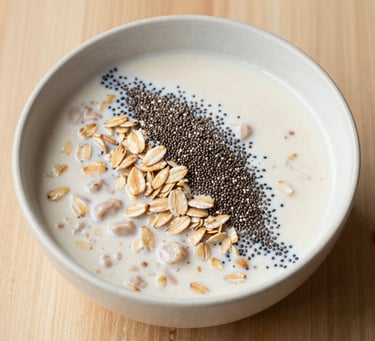
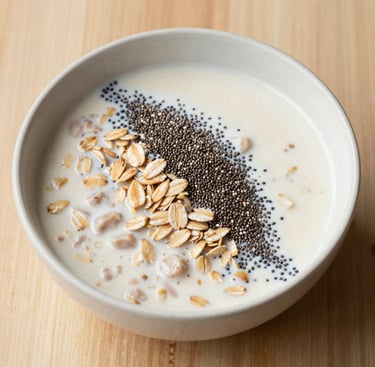
Breakfast: Start the day with a bowl of overnight oats made with 1/2 cup rolled oats (150 calories, 5g protein, 4g fiber), 1 cup unsweetened almond milk (30 calories, 1g protein, 1g fiber), and 2 tablespoons chia seeds (120 calories, 4g protein, 10g fiber). Combine these ingredients for a total of 300 calories, 10g protein, and 15g fiber. For variation, use quinoa instead of oats or coconut milk instead of almond milk.
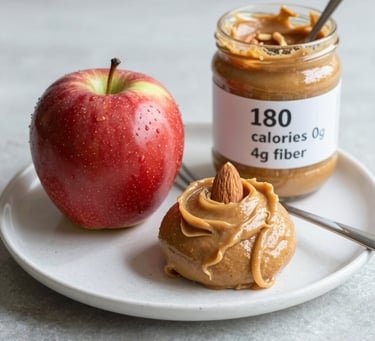
Morning Snack: Enjoy a small apple (80 calories, 0g protein, 4g fiber) with 2 tablespoons of almond butter (100 calories, 4g protein, 2g fiber) for a satisfying mid-morning boost. This snack totals 180 calories, 4g protein, and 6g fiber. Instead of almond butter, consider using sunflower seed butter for a nut-free option.
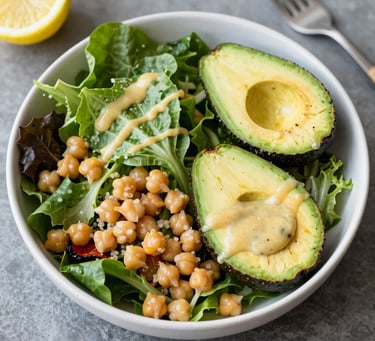
Lunch: A salad composed of 2 cups mixed greens (20 calories, 2g protein, 2g fiber), 1/2 cup chickpeas (120 calories, 7g protein, 6g fiber), and 1/4 avocado (80 calories, 1g protein, 3g fiber), drizzled with lemon vinaigrette, will provide refreshing sustenance. This meal amounts to approximately 220 calories, 10g protein, and 11g fiber. Consider adding roasted vegetables or quinoa for added texture and flavor.
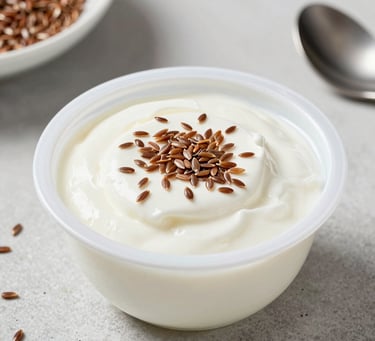
Afternoon Snack: A small serving of Greek yogurt (150g, 120 calories, 10g protein, 0g fiber) with a sprinkle of flax seeds (1 tablespoon, 55 calories, 2g protein, 3g fiber) creates a nutrient-dense treat. This combination totals 175 calories, 12g protein, and 3g fiber, or replace Greek yogurt with silken tofu for a dairy-free alternative.
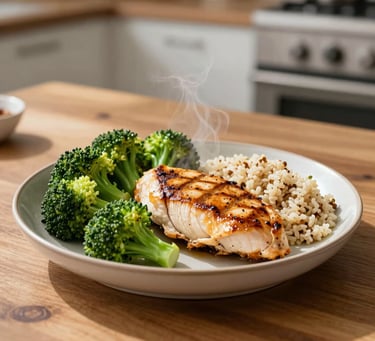
Dinner: Prepare a grilled chicken breast (4 oz, 200 calories, 38g protein, 0g fiber) accompanied by 1 cup steamed broccoli (55 calories, 5g protein, 5g fiber) and 1/2 cup cooked quinoa (111 calories, 4g protein, 2g fiber). This meal totals 366 calories, 47g protein, and 7g fiber. To diversify dinner options, fish or turkey may be selected as an alternative protein source.
This one-day meal plan not only ensures you reach your nutritional targets but also encourages healthful food sources while providing alternatives to meet taste preferences. By incorporating a high-protein and high-fiber regimen, you can feel satisfied and energized throughout the day.
Top High-Protein Foods to Include in Your Diet:
Animal-Based Protein Sources
1. Lean Meats: Chicken breast, turkey, and lean cuts of beef are excellent sources of protein. Chicken breast provides about 31 grams of protein per 100 grams, making it a staple in high-protein diets. Grilling or baking these meats can help retain their nutritional value without added fats.
2. Fish: Salmon, tuna, and mackerel are not only rich in protein but also provide omega-3 fatty acids, which are beneficial for heart health. Grilling or steaming fish retains their nutrients effectively.
3. Dairy Products: Greek yogurt and cottage cheese are known for their high protein content while also being rich in calcium. A serving of Greek yogurt contains approximately 10 grams of protein per 100 grams. Choosing low-fat options can help maintain a healthy calorie balance.
Plant-Based Protein Sources
1. Legumes: Beans, lentils, and chickpeas are densely packed with protein and fiber. For instance, cooked lentils provide about 9 grams of protein per 100 grams. They can be used in salads, soups, or even as a meat substitute in various recipes.
2. Nuts and Seeds: Almonds, chia seeds, and hemp seeds are rich in protein, healthy fats, and fiber. Incorporating a handful of nuts into your daily snacks or using seeds in smoothies can enhance your protein intake significantly.
3. Whole Grains: Quinoa, barley, and oats not only offer fiber but also contain substantial amounts of protein. Quinoa stands out as a complete protein source. Cook these grains as a base for salads, bowls, or even as breakfast porridge to maximize their health benefits.
These high-protein foods into daily meals and snacks, individuals can effectively meet their protein needs while enjoying diverse and nutritious eating options. For optimal nutrient retention, consider cooking methods such as steaming, grilling, or sautéing with minimal oil.
Best High-Fiber Foods for a Healthy Diet:
Incorporating high-fiber foods into a high-protein diet is essential for maintaining overall health. Foods rich in fiber not only support digestive health but also provide a range of other benefits, including improved blood sugar control and enhanced satiety. A balanced intake of fiber can help individuals feel fuller longer, which may aid in weight management.
Some of the best high-protein, high-fiber diet meal plan foods include
Legumes: Beans, lentils, and chickpeas are excellent sources of both protein and fiber. For example, one cup of cooked lentils contains around 15 grams of fiber. They can be added to soups and salads or served as a main dish.
Whole Grains: Foods such as quinoa, brown rice, and whole wheat bread are high in fiber. Quinoa, in particular, provides a complete protein source while offering about 5 grams of fiber per cup cooked. Consider substituting white rice with quinoa in your meals.
Vegetables: Leafy greens, broccoli, and Brussels sprouts are fantastic fibrous options. One cup of cooked broccoli contains approximately 5 grams of fiber. These can be steamed, roasted, or added to stir-fries to increase both fiber and nutrient content.
Fruits: Berries, pears, and apples are not only high in fiber but also packed with essential vitamins and antioxidants. For instance, a medium pear has about 5-6 grams of fiber. Eating them raw and with the skin on maximizes their fiber content.
Nuts and Seeds: Almonds, chia seeds, and flaxseeds provide healthy fats alongside fiber. Adding a tablespoon of chia seeds to smoothies can boost fiber intake substantially while enhancing texture.
To ensure adequate fiber intake, aim for at least 25-30 grams of fiber daily. Start by gradually incorporating these foods into your meals and snacks. Mixing legumes into salads, choosing whole-grain options, and snacking on fruits and nuts can effectively increase fiber consumption. Moreover, it's vital to drink plenty of water, as fiber works best when combined with adequate hydration.
Common Mistakes and Foods to Avoid:
When transitioning to a, High protein high fiber diet meal plan, individuals often encounter several common pitfalls that can undermine their health goals. One frequent mistake is focusing solely on protein and fiber intake while neglecting the importance of micronutrients. While protein is essential for muscle repair and growth, and fiber aids in digestion and satiety, a balanced diet should also include a variety of vitamins and minerals essential for overall health. Neglecting fruits and vegetables can lead to deficiencies, resulting in fatigue and decreased immune function.
Another common error is the overconsumption of protein powders and supplements, which may lead to digestive issues such as bloating and gas. Whole food sources of protein, such as lean meats, legumes, and nuts, offer not only protein but also other beneficial nutrients that supplements lack. Furthermore, relying heavily on processed foods labeled as high-protein can introduce unwanted additives and unhealthy fats.
In terms of specific foods to limit, individuals should be cautious with refined carbohydrates. Foods such as white bread, sugary granola bars, and certain types of pasta can spike blood sugar levels and undermine the benefits of a high-fiber diet. Instead, individuals should opt for whole grains that provide both fiber and protein. Additionally, individuals should moderate their intake of high-fat dairy products, which, while a source of protein, can be calorically dense and lead to digestive discomfort if consumed excessively.
Emphasizing a variety of protein sources, along with ample fruits and vegetables, can enhance overall nutrient intake. By avoiding these common mistakes and choosing wisely, individuals can successfully navigate their high-protein, high-fiber dietary journey.
Meal Prep and Budget-Friendly Tips: (AI Diet Plan)
High protein high fiber diet plan is good for health, but it is hard to prepare and expensive. Some good meal prep tricks are not only going to make it easier for you, but they’re also going to help you stick to your nutrition plan. First of all, you need to plan your meals. Plan your meals, including breakfast, lunch, dinner, and snacks. Reserve some time each week to do this. That way, you can make a complete shopping list, cut down on impulse purchases, and reduce food waste.
When it comes to the actual prep work, try to block out one day a week to cook your meals. “Cook and freeze larger quantities of high-protein foods like chicken, beans, or lentils. High-fiber vegetables and grains can be prepared in advance, too. For example, roasted vegetables can be stored in the refrigerator and eaten over a few days to add some flavor and nutrients to your meals. Purchase good airtight containers to store these prepped items safely and to keep them fresh.
Budget-conscious shoppers can take advantage of seasonal produce and bulk purchases. You can save a lot of money by buying grains like quinoa, brown rice, and oats in bulk. Plant-based proteins can also be cheaper than meat. Beans, lentils, and legumes are great options—they're rich in protein and fiber and easy on the wallet.
Be creative with your leftovers to save money and reduce waste, too. For instance, leftover roasted vegetables can be used in salads, paired with whole grains, or blended into soups, which adds nutrition and variety to your meals. You can absolutely stick to your high-protein, high-fiber meal plan on a budget if you plan ahead, prep ahead, and think outside the box with your leftovers.
FAQs:
1. What is a 30g high-protein, high-fiber meal plan?
Ans: A 30g high-protein, high-fiber meal plan focuses on meals that provide around 30 grams of protein along with fiber-rich foods like vegetables, fruits, legumes, and whole grains. This combination supports muscle health, digestion, energy levels, and appetite control.
2. Why are protein and fiber important together?
Ans: Protein helps build and repair muscles while keeping you full for longer. Fiber supports digestion, stabilizes blood sugar, and promotes gut health. Together, they can reduce cravings and support healthy weight management.
3. Can this meal plan help with weight loss?
Ans: Yes. High-protein and high-fiber meals may help reduce hunger and overeating by increasing satiety. Many people find it easier to maintain a calorie deficit when meals are filling and nutrient-dense.
4. How much protein should I eat daily?
Ans: Protein needs vary based on age, activity level, and body goals. Many adults benefit from consuming 20–30g of protein per meal, while active individuals may require more.
5. What foods are best for high protein?
Ans: Great protein sources include:
Chicken breast
Eggs
Greek yogurt
Fish
Turkey
Lean beef
Tofu
Lentils
Cottage cheese
Protein shakes