Ultimate Healthy Food Meal Plan for Beginners
Boost your health with a healthy food meal plan featuring balanced meals, nutrition tips, weight loss support, and easy weekly meal prep ideas.
HEALTH TOPICSFOOD
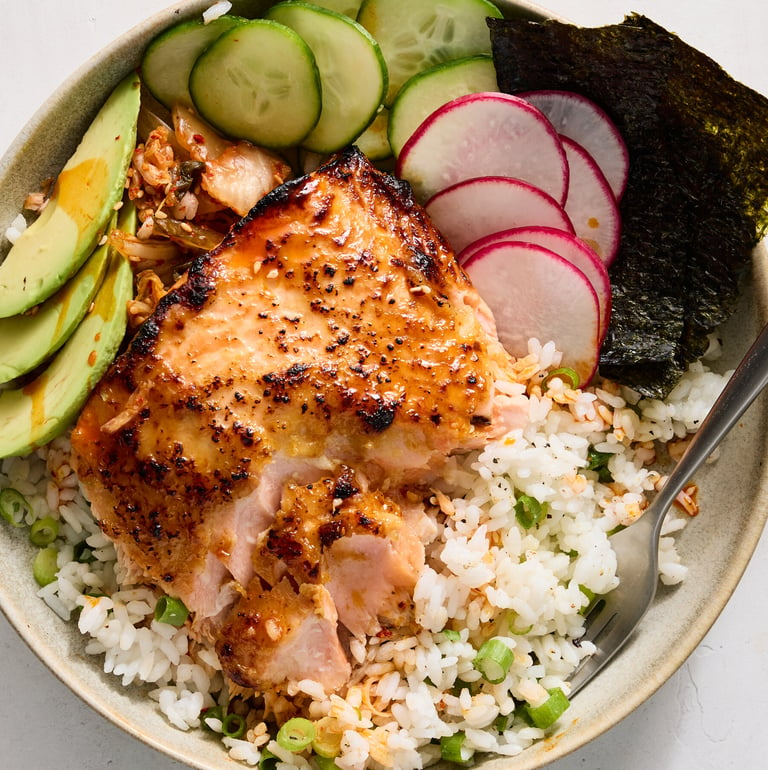
Healthy Food Meal Plan
Introduction:
Healthy eating is fundamental to achieving overall well-being and enhancing one's quality of life. As individuals become increasingly aware of nutritional values and their impact on health, conscious meal planning emerges as a key strategy for maintaining a balanced diet. The significance of adopting a healthy food meal plan cannot be underestimated, as it not only aids in weight management but also plays a vital role in preventing chronic diseases.
This article aims to provide valuable insights and practical strategies that can help overcome these obstacles. By focusing on how to create a sustainable, healthy food meal plan, readers will gain a deeper understanding of the essential components of nutritious eating. Through simple yet effective meal-planning techniques, individuals will learn to prioritize their health while seamlessly integrating nutritious options into their daily routines. Whether someone is just beginning their health journey or looking to refine an existing meal plan, this comprehensive guide offers foundational principles and actionable steps to foster healthy eating habits.
What is a Healthy Food Meal Plan?
A meal plan is a strategic approach to organizing meals and snacks throughout the week, designed to optimize nutritional intake and establish healthy eating habits. It acts as a blueprint for daily food consumption, guiding individuals toward making informed choices that align with their dietary goals. A healthy food meal plan incorporates a variety of food groups to ensure balanced nutrition, contributing to overall health and well-being.
Balanced nutrition is essential for maintaining good health, and it revolves around five core nutrient categories: proteins, carbohydrates, fats, vitamins, and minerals. Proteins are vital for muscle repair and the production of enzymes and hormones. Carbohydrates serve as the body's primary energy source, while healthy fats play a crucial role in regulating body temperature and supporting cell structure. Vitamins and minerals, on the other hand, are necessary for various biochemical processes, immune function, and overall growth.
Benefits of Following a Healthy Meal Plan:
A Healthy meal plan presents numerous advantages that contribute to overall well-being. One of the predominant benefits is weight management. By consuming balanced meals tailored to individual caloric needs, individuals can effectively regulate their weight, ensuring that they neither gain nor lose an unhealthy amount. This structured approach helps prevent obesity and fosters a healthier body composition.
Another significant advantage is improved digestion. A well-planned meal schedule incorporates fiber-rich foods such as fruits, vegetables, and whole grains, which promote regular bowel movements and enhance digestive health. This reduction of gastrointestinal issues not only enhances comfort but also maximizes nutrient absorption, which is essential for maintaining vitality.
Increased energy is also a remarkable benefit. Eating a diet rich in whole, unprocessed foods provides the body with lasting energy, in contrast to high-blood-sugar or high-fat meals that often lead to energy crashes. Focusing on nutrient-dense foods enables sustained mental and physical performance throughout the day.
Following a healthy meal plan also contributes to disease prevention. Regularly consuming a variety of vitamins, minerals, and antioxidants aids in bolstering the immune system and may lower the risk of chronic diseases such as diabetes, heart disease, and certain cancers.
Essential Components of a Balanced Diet:
Firstly, proteins play a crucial role in building and repairing tissues, as well as producing enzymes and hormones. Sources of protein include lean meats, fish, eggs, legumes, nuts, and seeds. Incorporating a variety of these foods will help ensure you receive a full range of amino acids.
Next, healthy fats are vital for energy and are essential for the absorption of certain vitamins. Unsaturated fats, found in olive oil, avocados, and fatty fish like salmon, are more beneficial than saturated fats. These fats can promote heart health and support metabolic functions.
Complex carbohydrates are also essential, as they provide a steady source of energy. Foods like whole grains, vegetables, and legumes are excellent sources of complex carbohydrates. They are less processed than simple carbohydrates and contribute to sustained energy levels throughout the day.
Fiber is another important component of a balanced diet. It aids in digestion, helps maintain a healthy weight, and lowers cholesterol levels. Excellent sources of dietary fiber include fruits, vegetables, whole grains, and legumes. Incorporating these foods can greatly benefit digestive health.
Foods to Include in a Healthy Meal Plan:
Fruits: Fresh fruits are an excellent source of vitamins, minerals, and dietary fiber. Some beneficial options include:
Apples
Berries (such as blueberries and strawberries)
Bananas
Citrus fruits (like oranges and grapefruits)
Grapes
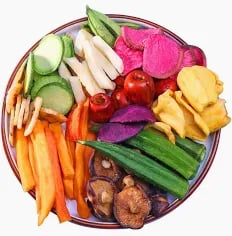
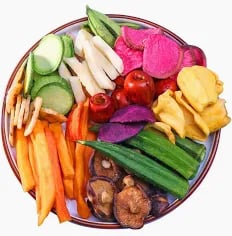
Vegetables: Vegetables are low in calories but high in essential nutrients. Aim to include the following:
Leafy greens (such as spinach and kale)
Cruciferous vegetables (like broccoli and cauliflower)
Colorful vegetables (including bell peppers and carrots)
Root vegetables (such as sweet potatoes and beets)
Legumes (like beans and lentils)
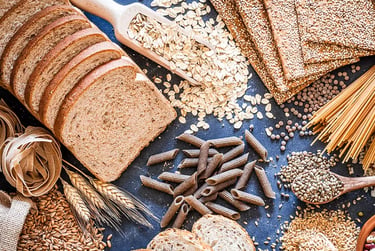
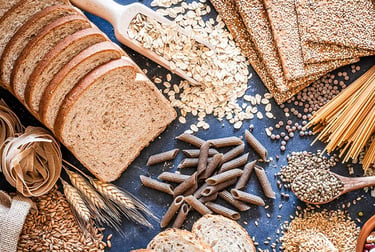
Whole Grains: Whole grains provide fiber and help maintain energy levels. Incorporate these options:
Quinoa
Brown rice
Whole wheat bread or pasta
Oats
Barley
Lean Proteins: Protein is vital for muscle repair and growth. Choose from:
Chicken or turkey breast
Fish (such as salmon and tuna)
Tofu or tempeh
Eggs
Low-fat dairy or dairy alternatives (like Greek yogurt)
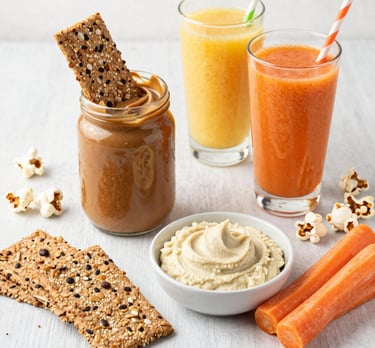
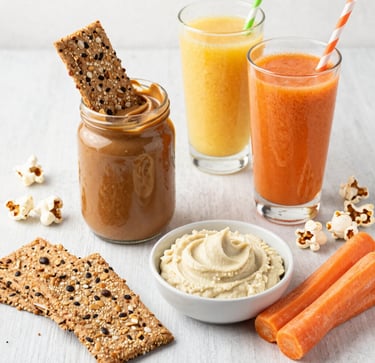
Healthy Snacks: Opt for nutritious snack options to curb hunger between meals. Some choices are:
Nuts and seeds
Nut butter with whole-grain crackers
Hummus with carrot sticks
Popcorn (lightly salted)
Fruit smoothies
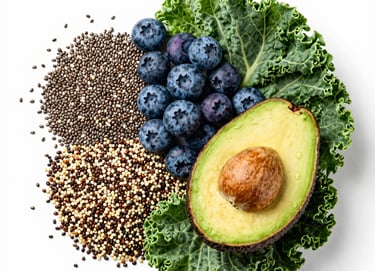
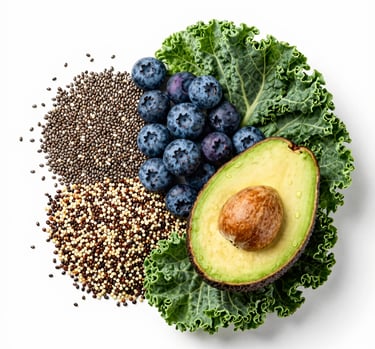
Superfoods: These are nutrient-rich foods that offer numerous health benefits. Consider adding:
Chia seeds
Blueberries
Avocado
Quinoa
Kale
Encouraging variety in your meal plan not only bolsters taste but also ensures nutritional adequacy.
Foods to Avoid or Limit:
One of the primary concerns is sugary drinks. Beverages laden with sugar do not provide any nutritional benefits and can significantly contribute to weight gain and metabolic issues. These drinks often contain high fructose corn syrup or other artificial sweeteners, which can spike insulin levels and lead to increased fat storage. Opting for water, herbal teas, or natural fruit-infused options serves as a healthier alternative.
Fast food is another category that should be approached with caution. Often high in calories, unhealthy fats, and sodium, these foods can elevate the risk of heart disease and obesity. Moreover, the lack of whole, nutrient-rich ingredients in these meals can leave individuals feeling unsatisfied and craving more food shortly after consumption. Thus, preparing homemade meals with fresh ingredients is a beneficial practice.
How to Create a Healthy Weekly Meal Plan:
Creating a tailored weekly meal plan is an essential practice for maintaining a healthy lifestyle. The first step is to establish your health goals, which may include weight loss, muscle gain, or simply improving overall wellness. Understanding your objectives will guide your meal planning process.
Next, perform a calorie calculation to determine your daily caloric needs. There are numerous online calculators available that consider factors such as age, gender, activity level, and health goals. This will serve as a foundation for your meal plan, ensuring you stay within your caloric limits while still enjoying a varied diet.
Once you have established your health goals and caloric needs, it’s time to focus on grocery shopping. Develop a shopping list based on healthy foods such as fruits, vegetables, whole grains, lean proteins, and healthy fats. By sticking to the list, you can avoid impulse purchases and remain committed to your health objectives.
Meal prep strategies are vital in ensuring your plan is realistic and achievable. Dedicate a day each week to preparing meals in advance, which could include cooking large quantities of grains, chopping vegetables, or portioning out snacks. This preparation will save time during the week and help you resist the temptation of unhealthy convenience foods.
Sample 7-Day Healthy Meal Plan:
Day 1:
Breakfast: Overnight oats with almond milk, chia seeds, and berries (300 calories)
Lunch: Grilled chicken salad with mixed greens, olives, and a vinaigrette dressing (450 calories)
Dinner: Quinoa with steamed broccoli and baked salmon (500 calories)
Snack: A medium apple with peanut butter (200 calories)
Day 2:
Breakfast: Greek yogurt with honey, walnuts, and sliced banana (350 calories)
Lunch: Lentil soup with whole-grain bread (400 calories)
Dinner: Stir-fried vegetables with tofu over brown rice (500 calories)
Snack: Carrot sticks with hummus (150 calories)
Day 3:
Breakfast: Scrambled eggs with spinach and tomatoes (250 calories)
Lunch: Turkey wrap with whole-wheat tortilla and mixed veggies (450 calories)
Dinner: Baked sweet potatoes with black beans and avocado (550 calories)
Snack: A handful of mixed nuts (200 calories)
Day 4:
Breakfast: Smoothie with spinach, banana, and protein powder (300 calories)
Lunch: Quinoa bowl with chickpeas, cucumber, and tahini dressing (450 calories)
Dinner: Zucchini noodles with marinara sauce and turkey meatballs (500 calories)
Snack: Greek yogurt with a drizzle of maple syrup (150 calories)
Day 5:
Breakfast: Whole-grain toast with avocado and poached egg (350 calories)
Lunch: Spinach salad with grilled shrimp and citrus dressing (400 calories)
Dinner: Stuffed bell peppers with brown rice and ground turkey (550 calories)
Snack: Cucumber slices with guacamole (150 calories)
Day 6:
Breakfast: Chia pudding made with coconut milk and topped with mango (350 calories)
Lunch: Black bean salad with corn, tomatoes, and cilantro (400 calories)
Dinner: Baked cod with asparagus and quinoa (500 calories)
Snack: Sliced bell peppers with hummus (100 calories)
Day 7:
Breakfast: Oatmeal topped with almond slices and fresh berries (300 calories)
Lunch: Grilled vegetable wrap with feta cheese (450 calories)
Dinner: Vegetable stir-fry with shrimp and brown rice (500 calories)
Snack: A small bowl of air-popped popcorn (100 calories)
This sample meal plan provides a diverse array of nutritious foods, ensuring adequate protein, fiber, and healthy fats. The focus is on whole foods that can contribute to an overall healthy diet while keeping the caloric intake balanced and suitable for beginners.
Healthy Meal Prep Tips for Busy People:
In today’s fast-paced world, balancing a healthy diet with a busy lifestyle can be quite challenging. However, effective meal prep strategies can help individuals, whether office workers, students, parents, or fitness enthusiasts, to maintain a nutritious diet without compromising their time. Here are some practical tips tailored for various busy lifestyles.
For office workers, one effective approach is to dedicate a few hours over the weekend to prepare meals for the week ahead. Choose simple, healthy recipes that can be easily scaled up in portion sizes. Meals like quinoa bowls, stir-fried vegetables, and grilled chicken can be cooked in bulk and portioned out in containers for convenient access throughout the week. Consider incorporating snacks such as nuts, yogurt, or fresh fruits into your prep to avoid unhealthy options at work.
Students often face time constraints due to their busy schedules. A great strategy for students is batch cooking. Set aside a specific day each week, such as Sunday, to prepare staple ingredients like rice, beans, and roasted vegetables. This allows for quick assembly of meals that can cater to varying tastes and preferences during the week. Another tip is to embrace freezer meals; by preparing portions and freezing them, students can simply defrost meals when needed, ensuring they have access to healthy options even during exam weeks or busy study periods.
For busy parents, meal prepping can be a family affair. Engaging children in meal preparation not only promotes healthy eating habits but also allows for quality family time. Create a weekly meal plan together, and designate specific days for preparing meals. Additionally, identify recipes that can double as both dinner and lunch, reducing preparation time significantly.
Healthy Meal Plan for Weight Loss:
When embarking on a weight loss journey, understanding the principle of maintaining a calorie deficit is paramount. This means consuming fewer calories than your body expends, thus prompting it to utilize stored fat for energy. Designing a meal plan mindful of this deficit is critical. One effective method is to incorporate high-protein meals, which not only support muscle retention during weight loss but also enhance satiety, helping to curb hunger effectively.
Foods that are known to aid in fat burning can also be advantageous. For example, foods rich in fiber, such as legumes, whole grains, and leafy greens, promote fullness and enhance digestion, while lean proteins from sources like chicken, fish, and legumes can boost metabolism, as the body expends more energy to digest protein compared to fats or carbohydrates.
Emotional eating can be a significant barrier; recognizing triggers and finding healthy alternatives to address emotional needs is essential. Staying hydrated is equally important, as sometimes thirst can be mistaken for hunger. By focusing on a balanced, nutrient-dense meal plan and being mindful of these factors, individuals can see sustainable weight loss results.
FAQs:
1. What is a healthy food meal plan?
Ans: A healthy food meal plan is a structured eating plan that includes balanced meals with proteins, healthy fats, carbohydrates, vitamins, and minerals to support overall health and wellness.
2. Can a healthy meal plan help with weight loss?
Ans: Yes, a healthy meal plan can support weight loss by controlling calorie intake, reducing unhealthy foods, and promoting balanced nutrition and portion control.
3. How many meals should I eat in a day?
Ans: Most people benefit from eating 3 balanced meals with 1–2 healthy snacks daily, depending on their lifestyle, activity level, and health goals.
4. What foods should be included in a healthy meal plan?
Ans: Healthy meal plans should include fruits, vegetables, whole grains, lean proteins, healthy fats, dairy or alternatives, and plenty of water.
5. What are the best snacks for a healthy meal plan?
Ans: Healthy snack options include nuts, yogurt, fruits, boiled eggs, smoothies, hummus with vegetables, and whole-grain crackers.
6. How much water should I drink daily?
Ans: Most adults should aim for around 2–3 liters of water daily, though hydration needs may vary based on activity level and climate.
Relevant Links:
2: https://www.who.int/news-room/fact-sheets/detail/obesity-and-overweight