
Fried Chicken: Nutrition Facts, Health Benefits and Calories
Learn about fried chicken nutrition facts, calories, protein, health benefits, and risks. Discover more about fried chicken.
NUTRITION FACTSHEALTHY LIFESTYLE
Uzair Rajpoot
6/12/20268 min read


What is Fried Chicken?
Fried chicken is a delicious dish that is crisp and savory. It is prepared by deep-frying or pan-frying marinated pieces of chicken. This culinary delight has been around for centuries and has variations in different cultures around the world. It became especially popular in the American South, where it is considered a staple of Southern comfort food.
Texture is one of the most appealing things about fried chicken. The crispy outer coating combined with the soft, juicy meat is an irresistible experience for the palate. The coating, usually flour, spices, and sometimes cornmeal, can be seasoned for flavor, offering everything from mild to intensely savory. The method of cooking can also affect the end result, as pressure frying can produce a different texture and moisture content than traditional frying methods.
Fried chicken in many households is more than a meal; it's tradition and nostalgia, often passed down through generations. Its charm is without borders, and it is a favorite dish on tables all over the world. Knowing the history and variations can make you enjoy this hearty, flavorful comfort food even more.
Fried Chicken Nutrition Facts:
Fried chicken is a widely enjoyed dish that provides various nutrients; however, it is essential to consider its nutritional profile to make informed dietary choices. The values below are based on a typical serving size of 100 grams of fried chicken, which can help illustrate its nutritional content.
In a 100-gram serving, fried chicken contains approximately 240 calories. This calorie count can fluctuate, influenced by factors such as the cooking method, batter, and type of oil used. Out of these calories, a substantial portion comes from fat, which is around 14 grams. The fat content includes both saturated and unsaturated fats, with fried chicken primarily comprising saturated fat, given its cooking method.
Protein is another significant component of fried chicken, contributing about 22 grams per 100 grams. This makes it a good source of protein, which is vital for muscle repair and growth. However, one must also consider the carbohydrate content, which is relatively low at about 7 grams, depending on any additional flavorings or batters used.
Sodium is also an important factor in fried chicken nutrition, with levels reaching around 600 milligrams per serving. This can be problematic for individuals managing sodium intake due to health conditions such as hypertension. Additionally, fried chicken contains several vitamins and minerals, including B vitamins (niacin, riboflavin, and vitamin B6) that play crucial roles in energy metabolism. For More Nutrition from Raw Milk, Click Here.
Calories, Protein, Fat, and Carbohydrate Breakdown:
Fried chicken is a popular dish characterized by its rich flavor and crispy texture, but it is essential to consider its nutritional profile, particularly in terms of calories, protein, fat, and carbohydrates. A standard serving of fried chicken, which typically weighs around 3.5 ounces (100 grams), can contain anywhere from 250 to 350 calories depending on the cooking method and coating used.
Protein plays a significant role in the nutritional value of fried chicken, as it is an excellent source of this macronutrient. A single serving generally provides between 20 to 30 grams of protein, making it a good choice for those looking to increase their protein intake. This macronutrient is vital for tissue repair, muscle growth, and overall bodily function.
Fat content is another crucial aspect to consider when evaluating the nutrition of fried chicken. The fat content can range from 15 to 25 grams per serving, predominantly from the oil used in frying and the skin of the chicken. It is beneficial to note that fried chicken typically contains both saturated and unsaturated fats. Saturated fats are found in higher quantities in the skin and oil, which can raise cholesterol levels and may be associated with heart disease when consumed in excess. In contrast, unsaturated fats—often regarded as healthier fats—can have positive effects on heart health when consumed as part of a balanced diet.
Potential Health Benefits of Fried Chicken:
In moderation, fried chicken can be an interesting part of a balanced diet. There’s also the added bonus of it being high in protein. Fried chicken is a very good source of protein, which are your body’s building blocks and help repair and build muscle and maintain a healthy metabolism. Protein is an important macronutrient that plays a role in many body functions, including hormone production and immune system maintenance.
Fried chicken can be a satisfying meal experience as well, with its crunchy texture and flavorful taste. Fried chicken is tasty to eat and can make the whole meal more enjoyable, and you'll probably end up feeling more satisfied and full. If people enjoy their food more, they are less likely to crave bad food later, which could help with weight management.
Fried chicken can offer a variety of key nutrients besides protein. Depending on how it’s prepared and what parts of the chicken are used, it can be a source of important vitamins and minerals. For instance, chicken is rich in B vitamins like niacin and vitamin B6, crucial for energy production and brain health. Also, dark meat chicken, which is often used in fried preparations, contains more iron and zinc than white meat, which are important for functions such as immune support and oxygen transport.
Health Risks of Eating Fried Chicken Frequently:
Fried chicken is a common and tasty meal option, but there are several health concerns associated with eating it on a regular basis. The addition of hot oil while frying chicken adds a considerable amount of calories and fat to the chicken in comparison to other cooking methods, such as baking or grilling. This high caloric intake can cause weight gain, which is a major risk factor for obesity. Obesity is associated with a number of health problems, including diabetes, cardiovascular diseases, and some cancers.
One of the biggest problems with eating fried chicken is that it can be bad for your heart. Deep-fried foods are usually high in saturated and trans fats that may raise LDL cholesterol levels in the body. Over time, this can lead to atherosclerosis, a condition in which the arteries become hardened and narrowed. This greatly increases the risk of heart attacks and strokes. The question of how often you eat fried chicken becomes a very important one.
Regular intake of fried foods can also have negative effects on mental well-being. Studies show that eating a lot of fried food may be associated with an increased risk of depression and anxiety. This may be due to the inflammatory properties of trans fats and the general lack of nutritional value in deep-fried foods.
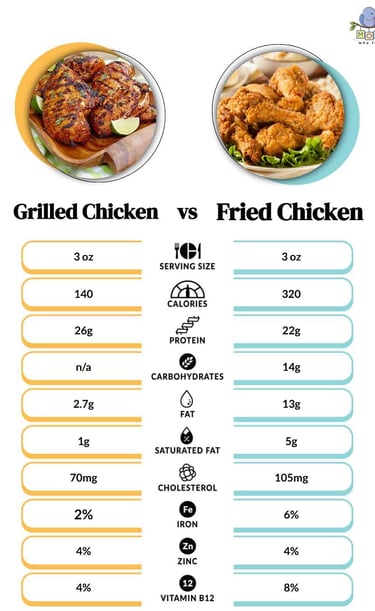
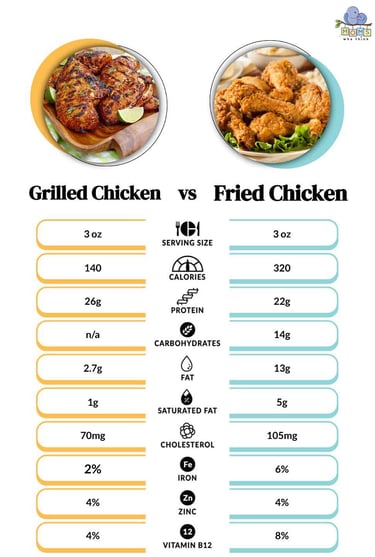
Fried Chicken vs. Grilled Chicken: Which is Healthier?
The debate over whether fried chicken or grilled chicken is healthier has been ongoing, as each method offers distinct nutritional profiles and health implications. Fried chicken is typically prepared by immersing the chicken in hot oil, which results in a crispy exterior but can significantly increase calorie and fat content. The batter and oil used in frying contribute to its delicious flavor but may also add unhealthy trans fats and saturated fats. A standard serving of fried chicken can contain a substantial amount of calories, making it less suitable for those monitoring their fat intake.
Grilled chicken is often regarded as the healthier option due to its cooking method, which allows excess fat to drip away. This technique retains the natural juices and flavors of the chicken while minimizing additional fat and calories. Grilled chicken, seasoned with herbs and spices rather than heavy sauces, can be a great source of lean protein, essential for muscle maintenance and weight management. Moreover, grilled chicken typically contains fewer carbohydrates, making it appealing to those following low-carb diets.
When considering the overall health benefits, grilled chicken stands out as the preferred choice for health-conscious individuals. While it provides essential nutrients with fewer calories, fried chicken, despite being delicious, tends to be higher in unhealthy fats and calories. However, moderation and balance are key. If an occasional indulgence in fried chicken brings joy to one's diet, it can be incorporated without derailing overall health goals. Making informed choices, such as opting for grilled chicken whenever possible, can contribute to a healthier lifestyle.
Tips for Making Healthier Fried Chicken at Home:
Fried chicken can be delicious, but it’s usually loaded with calories and unhealthy fats. There are, fortunately, several ways to make fried chicken healthier without losing the delicious flavor we all love. To get the process started, you need to pick the right cooking oil. Swap out your traditional frying oils for something better, like avocado oil or coconut oil. Both are healthier than regular vegetable oils, with higher smoke points and healthier fat profiles.
Opt for whole-grain breading to help reduce the calorie content. You can substitute whole wheat flour or crushed whole grain cereals for white flour, and it’s good for you. This swap adds depth to the flavor and increases the fiber content. Or, spice and herb up your breading mix to add more flavor without the added calories.
For even less oil absorption when cooking, marinate the chicken before breading. A simple marinade using yogurt or buttermilk can help the breading stick better and make for a crispier exterior, cutting down on the need for multiple dips in oil. Also, try baking or air-frying your chicken instead of deep-frying it. Air frying and other techniques can cut down on oil and grease but still give you that satisfying crunch.
Best Side Dishes to Serve with Fried Chicken:
Choosing the right accompaniments can help create a balanced meal and enhance the overall dining experience. Some time-tested classic options pair extremely well with the flavor and texture of fried chicken.
One traditional favorite is coleslaw. This adds a crunchy contrast to the tender chicken, as well as a refreshing tanginess. The pairing of cabbage and carrots with a creamy dressing cuts through the richness of fried chicken and adds a refreshing palate cleanser to each bite.
Mashed potatoes are another great side. They are creamy and smooth and make any meal feel like a hug, and are especially good with the savory flavors of fried chicken. Mashed potatoes contain buttery undertones that can add to the overall richness of the dish, and many diners find that combination to be satisfying.
Frequently Asked Questions (FAQs):
One common question concerns cooking times. The best frying time for chicken pieces is generally between 12 to 15 minutes at a temperature of 350°F (175°C). The cooking times, however, may vary depending on the size and the thickness of the chicken. It is important to make sure the internal temperature is 165°F (75°C) so the meat is cooked properly and remains juicy.
Another common concern is how to maintain the signature crispiness of fried chicken. A great trick is to let the chicken drain on a wire rack after frying instead of a paper towel, which can trap moisture. You also can double-dip in flour or breadcrumbs to help make the texture crispier. A dry brine or marinating the chicken before frying can also help get that coveted crisp.
Fried chicken often raises questions about nutrition, especially regarding its calorie count and possible health effects. Fried chicken is usually high in calories and fat. You can use healthier oils for frying, such as peanut or canola oil, and select skinless chicken breast to decrease the fat content. You can also air-fry, which is a great way to make a lower-calorie version of fried chicken that still tastes good.
Notice:
In conclusion, the study of fried chicken shows a fascinating intersection of flavor, health, and culture. And while fried chicken is a comfort food for many, it can be included in a healthy diet if consumed mindfully. By knowing its nutritional facts, people are able to make the right decisions in terms of serving and cooking.


NutriLogic Lab Ltd © 2026
NutriLogic Lab empowers the generation of tomorrow for a brighter future and hope for every individual.
Terms of Use:
We care about your data in our privacy policy.